

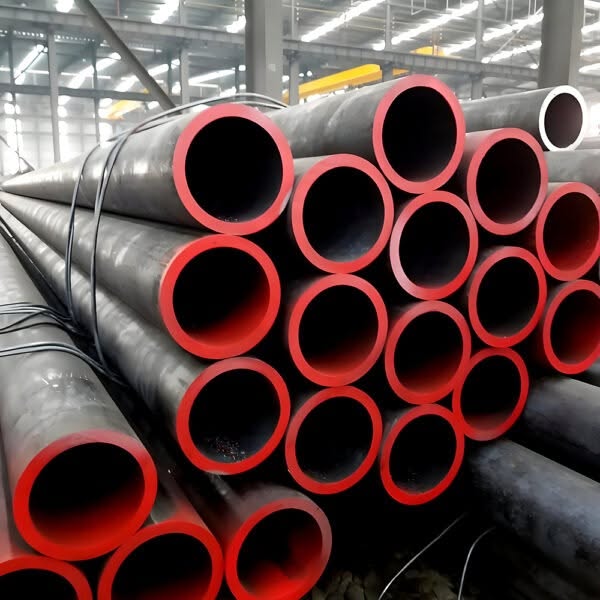
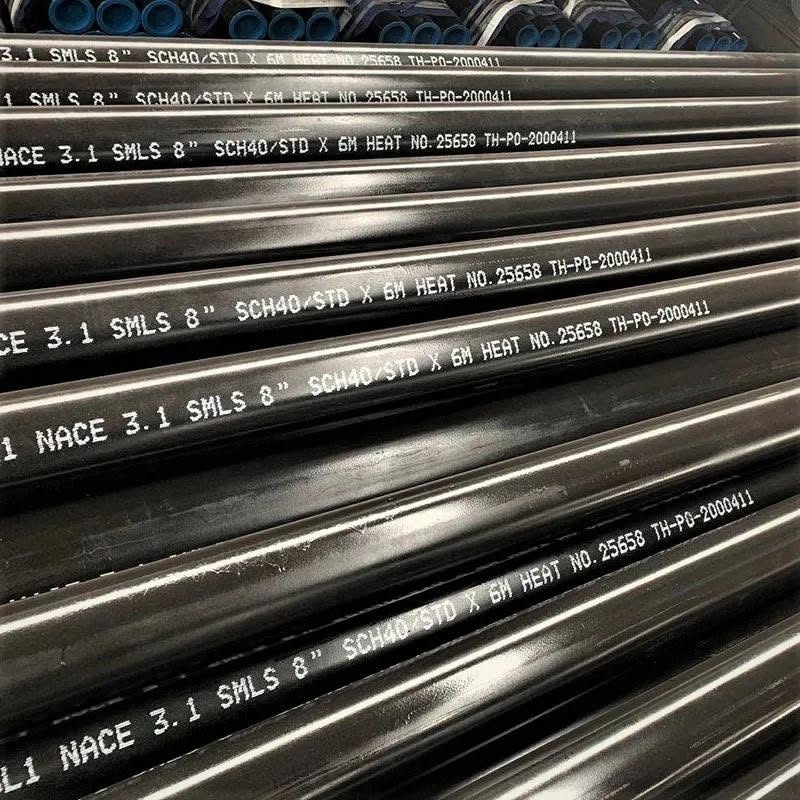
1. API 5L Line Pipe (Seamless & Welded)
Line pipe is the backbone of the energy industry, designed specifically for transporting oil, gas, and high-pressure fluids over long distances. The standard governing line pipe is API Specification 5L, which has supported the safe and reliable manufacture of steel line pipe for over a century.
Key Standard: API 5L (47th edition, 2026)
Grade Classes: X42, X52, X60, X65, X70—the number indicates minimum yield strength in ksi
PSL Levels: PSL1 (basic requirements) vs. PSL2 (stricter quality control, recommended for sour service and extreme conditions)
Key Applications: Oil & gas transmission, CO₂ transport pipelines, high-pressure fluid systems
2. Stainless Steel Seamless Pipes
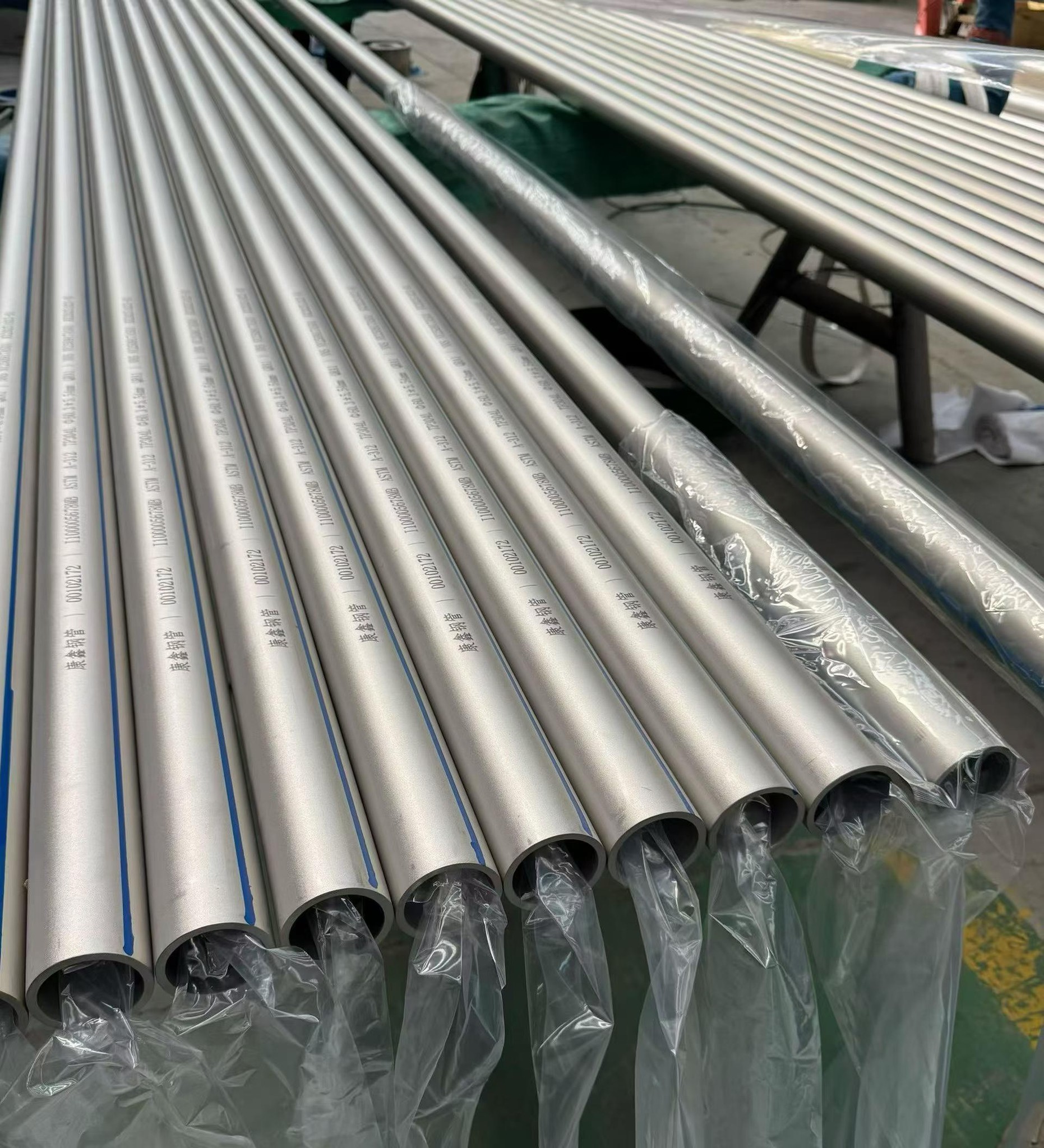
Seamless pipes are manufactured without a weld seam, offering superior strength and pressure resistance. They are the standard choice for high-pressure and high-temperature applications in the oil and gas, petrochemical, and power generation sectors.
Standards: ASTM A312, ASTM A790
Key Grades: 304/304L, 316/316L, Duplex 2205
Key Applications: High-pressure process piping, heat exchangers, refinery systems
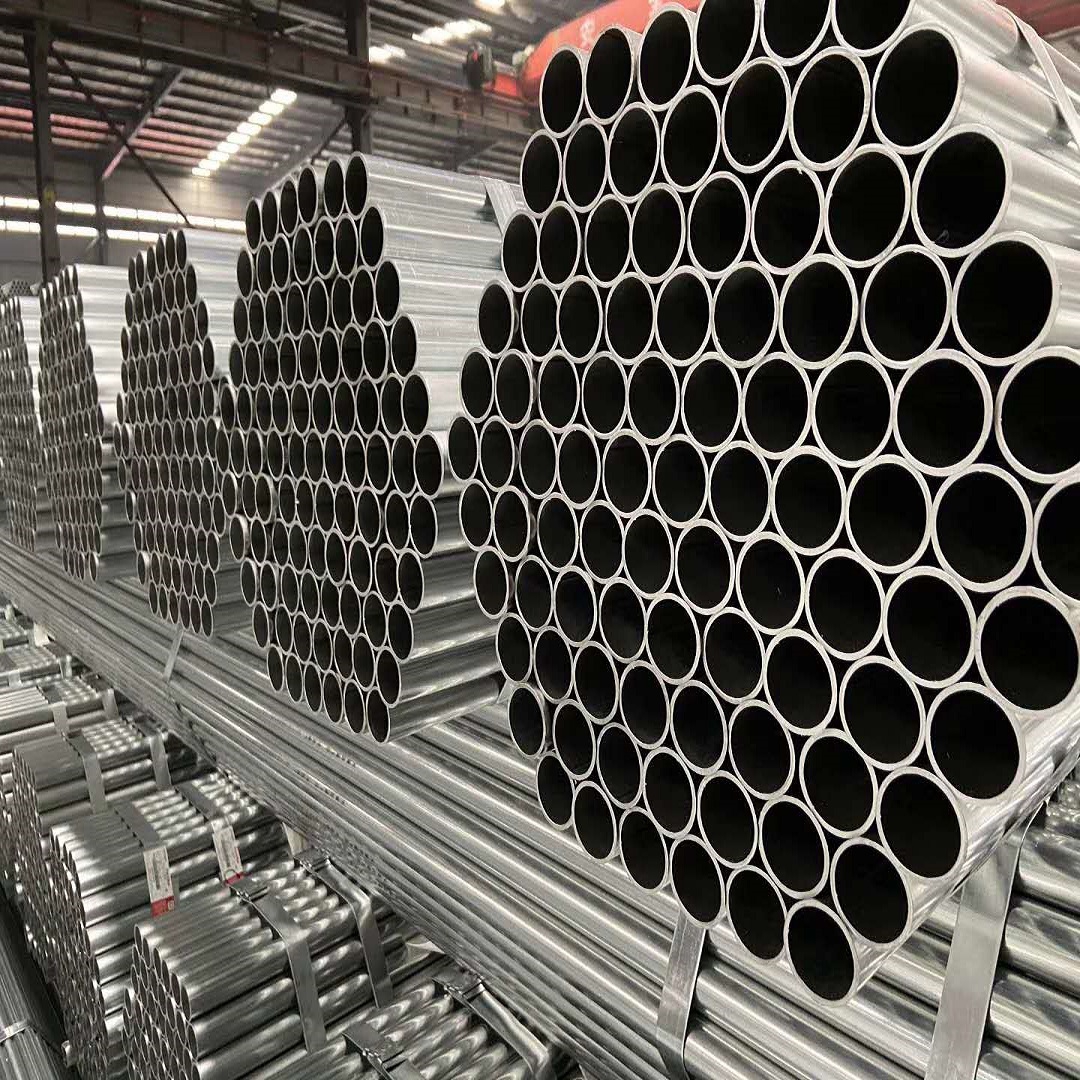
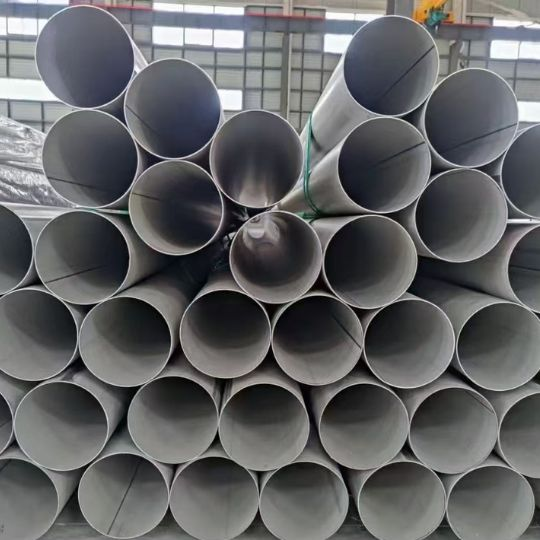
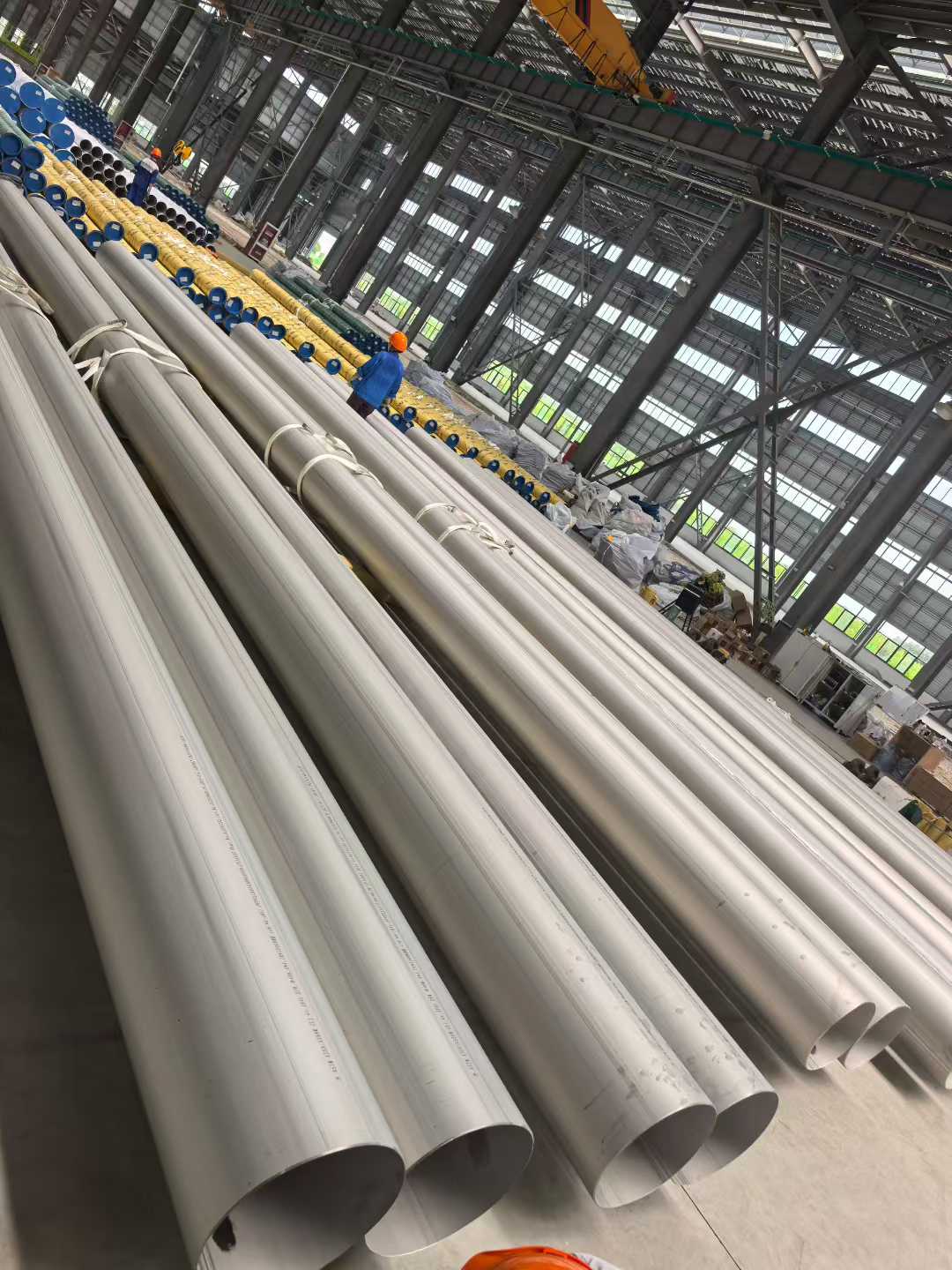
3. Stainless Steel Welded Pipes
Welded pipes are produced by rolling steel plate and welding the seam. They are generally more cost-effective than seamless pipes and suitable for lower-pressure applications, decorative structures, and general manufacturing. Their smoother surface finish makes them ideal for applications where aesthetics or hygiene are priorities.
Key Difference: Seamless = higher pressure resistance; Welded = more cost-effective and smoother finish
4. Stainless Steel Butt-Weld Fittings
Designed for permanent, high-strength connections, these fittings are welded directly to the pipe. They are the industry standard for critical systems requiring smooth flow and leak-proof seals.
Types: Elbows (45°/90°), Tees (Equal/Reducing), Reducers (Concentric/Eccentric), Caps
Standards: ASME B16.9
Best For: High-temperature and high-pressure environments where permanent joints are preferred
5. Stainless Steel Threaded Fittings
Used for smaller pipe diameters (typically under 4 inches), threaded fittings are easier to install as they do not require welding. They feature NPT (National Pipe Thread) or BSPT (British Standard Pipe Taper) connections and use PTFE tape to secure the seal.
Types: Elbows, Tees, Couplings, Unions, Plugs, Caps, Nipples
Pressure Classes: Class 150 (low pressure), Class 3000 (high pressure), and Extreme Pressure (3001+ psi)
Key Applications: Plumbing systems, fire sprinklers, instrumentation lines
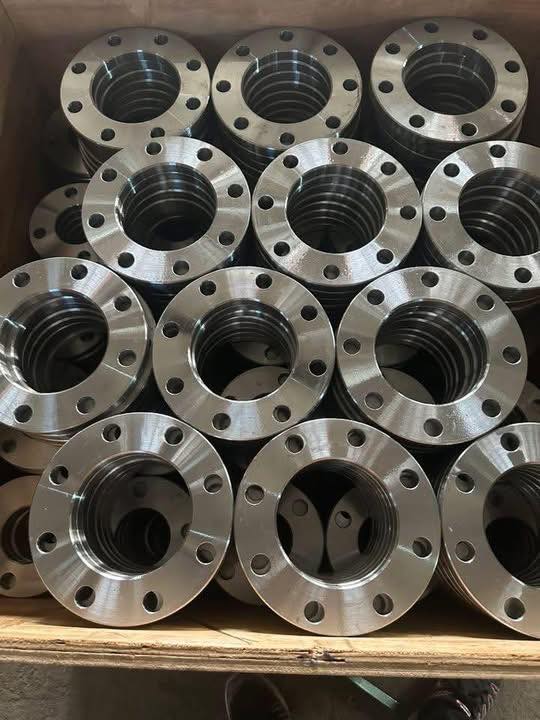
6. Stainless Steel Flanges
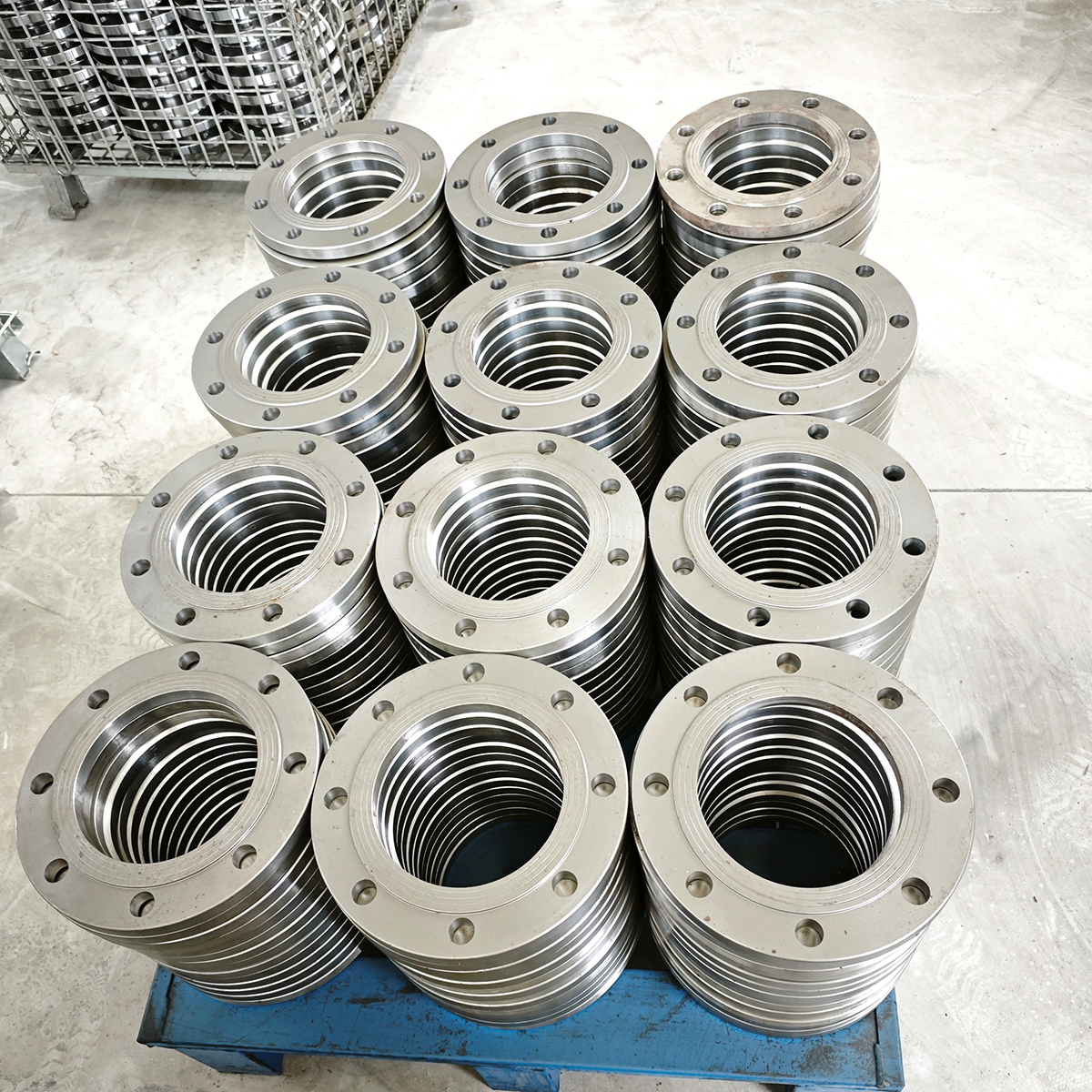
Flanges connect pipes to equipment, valves, or other pipes via bolting, enabling easy maintenance access and system modifications. Flange adapters are also available to connect flanged parts to pipe ends.
Common Types: Slip-On, Weld Neck, Blind Flanges, Lap Joint Flanges
Standards: ASME B16.5
Key Applications: Connecting pipe sections, equipment tie-ins, valve connections
7. Offshore & Shipbuilding Steel Plates
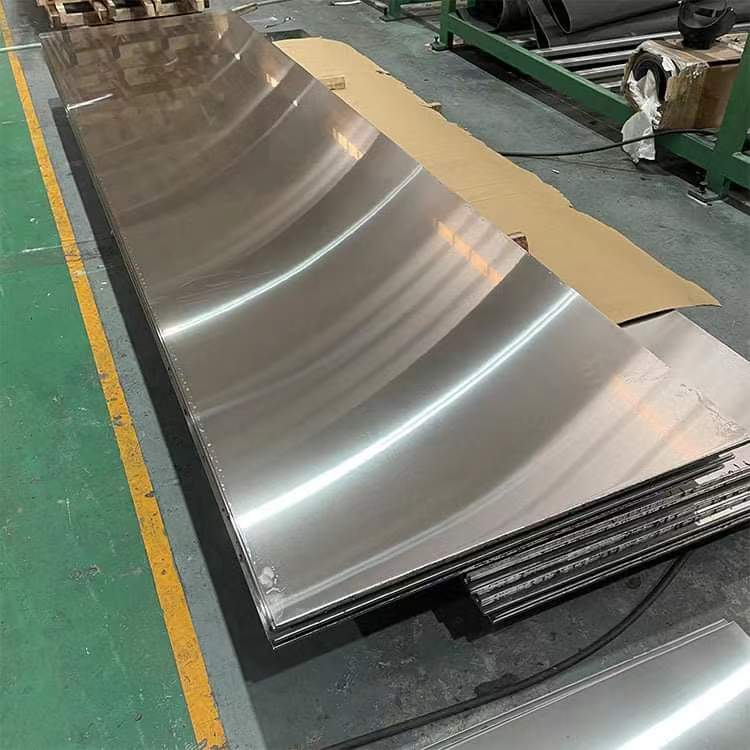
Specialized steel plates designed to withstand harsh marine environments. These plates offer high strength and excellent toughness at low temperatures, making them ideal for offshore platforms and subsea structures.
Key Grades: S355 M/ML, SS355MLO (thermo-mechanically rolled, suitable for low temperatures)
Key Applications: Offshore platforms, wind turbine foundations, subsea jackets, hull structures
Enhancements: Enhanced weldability and corrosion resistance for marine conditions
8. Wear-Resistant Steel Plates
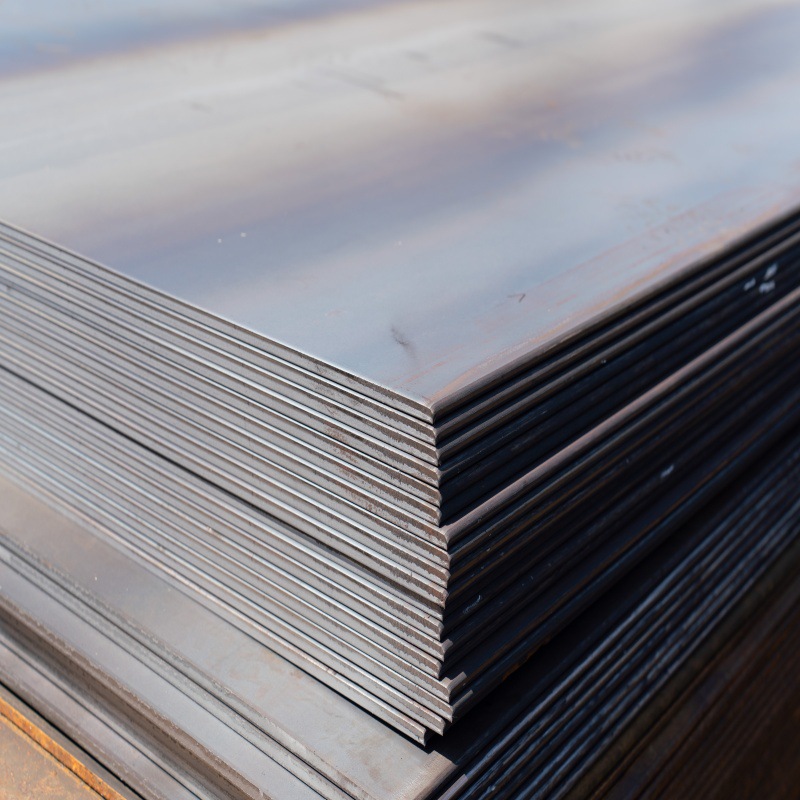
Quenched and tempered (Q&T) plates are stronger and harder than ordinary carbon steel. They are essential for components subject to intense abrasion and impact.
Key Grades: Grade 80 (high-strength structural), Grade 400/500 (abrasion-resistant)
Key Applications: Mining equipment, excavator buckets, chutes, wear liners, dump trucks
Thickness Range: 4mm to 160mm
FAQ
Q1: What is the difference between API 5L PSL1 and PSL2 line pipe?
PSL1 covers standard quality requirements for line pipe, while PSL2 has stricter chemical composition limits, higher toughness requirements, and mandatory non-destructive testing (NDT). For sour service (wet H₂S) or high-pressure transmission lines, PSL2 is the mandatory choice. PSL1 is generally sufficient for low-pressure water or gas distribution.
Q2: How do I choose between seamless and welded stainless steel pipes?
Choose seamless pipes for high-pressure, high-temperature, or critical applications where weld seam integrity is a concern (e.g., refinery furnaces, hydraulic lines). Choose welded (ERW/HFW) pipes for general structural use, low-to-medium pressure fluid transport, and cosmetic applications—they are more cost-effective and offer smoother surface finishes.
Q3: Why does 316L stainless steel cost more than 304, and is it worth it?
The higher cost is due to the addition of Molybdenum (Mo) , which significantly improves resistance to pitting and crevice corrosion caused by chlorides (salt water). If your project is near coastal areas, involves chemical processing, or handles de-icing salts, 316L is definitely worth the premium. For clean indoor environments, 304 is sufficient and more economical..
Q4: What is the difference between a “weld neck” and a “slip-on” flange?
A Weld Neck Flange has a long tapered hub that is butt-welded to the pipe, providing excellent stress distribution and making it ideal for high-pressure and extreme-temperature applications. A Slip-On Flange simply slides over the pipe and is welded both inside and outside—it is cheaper and easier to align, but suitable only for lower-pressure systems.
Q5: Can you supply customized cut-to-length steel plates?
Yes. In addition to standard mill sizes, we offer precise cut-to-length and cut-to-width services. We can also provide plasma or laser cutting to meet specific shape requirements, helping you reduce on-site fabrication waste and labor costs.
Post time: Jun-26-2026