

News
-
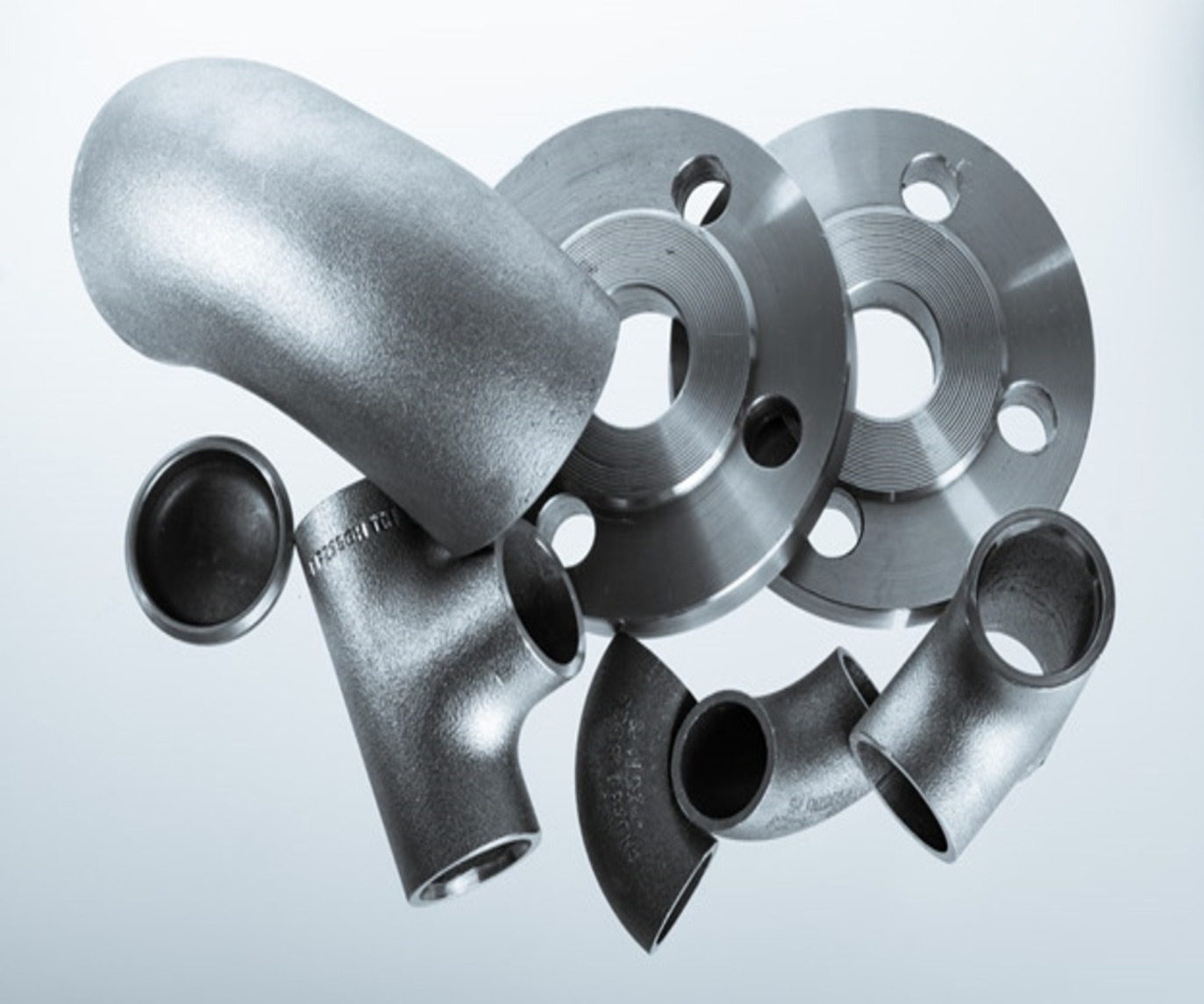
Complete Analysis of Pipe Fitting Types: How to Differentiate Between Elbows, Tees, Reducers, Flanges, and Blind Flanges
Pipe fittings are essential for connecting pipes, changing flow direction, creating branches, adjusting diameters, and sealing pipeline ends. The five most common steel fittings are elbows, tees, reducers, flanges, and blind flanges. Elbows redirect flow in 45°, 90°, or 180° c...Read more -
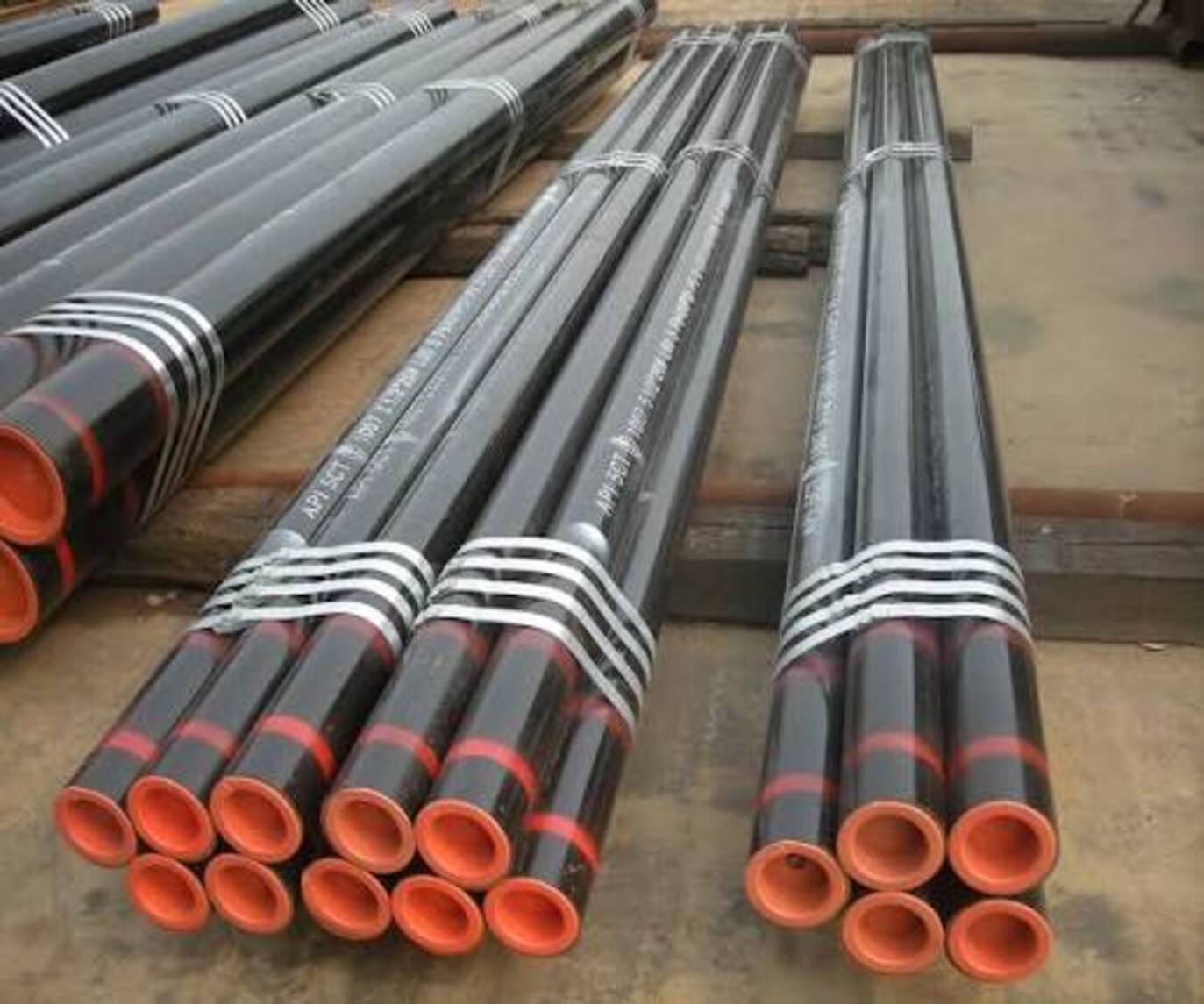
What are the differences and advantages of P110 casing vs J55 casing steel pipe?
P110 and J55 are common API 5CT casing grades with different strength levels and typical applications. J55 has a specified minimum yield strength of 55 ksi (379 MPa) and is often considered for conventional wells with moderate load requirements. P110 offers a specified minimum...Read more -
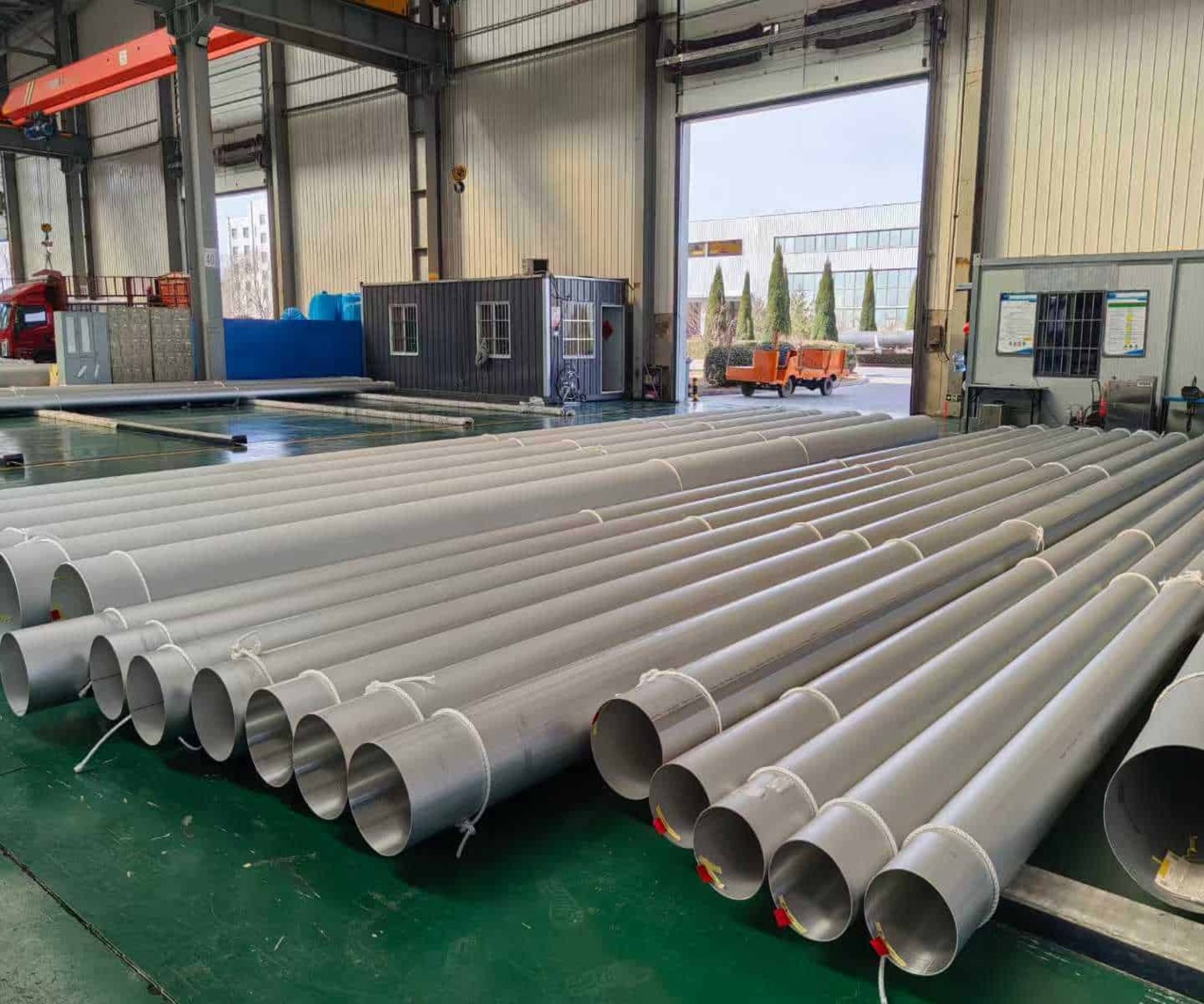
What are the applications and advantages of 15CrMo thick-walled pipes in high-pressure pipelines?
15CrMo thick-walled alloy steel pipe is widely used in high-pressure pipelines for power generation, petrochemical processing, and heavy industry. Its chromium-molybdenum composition provides suitable high-temperature strength, oxidation resistance, and resistance to softening...Read more -
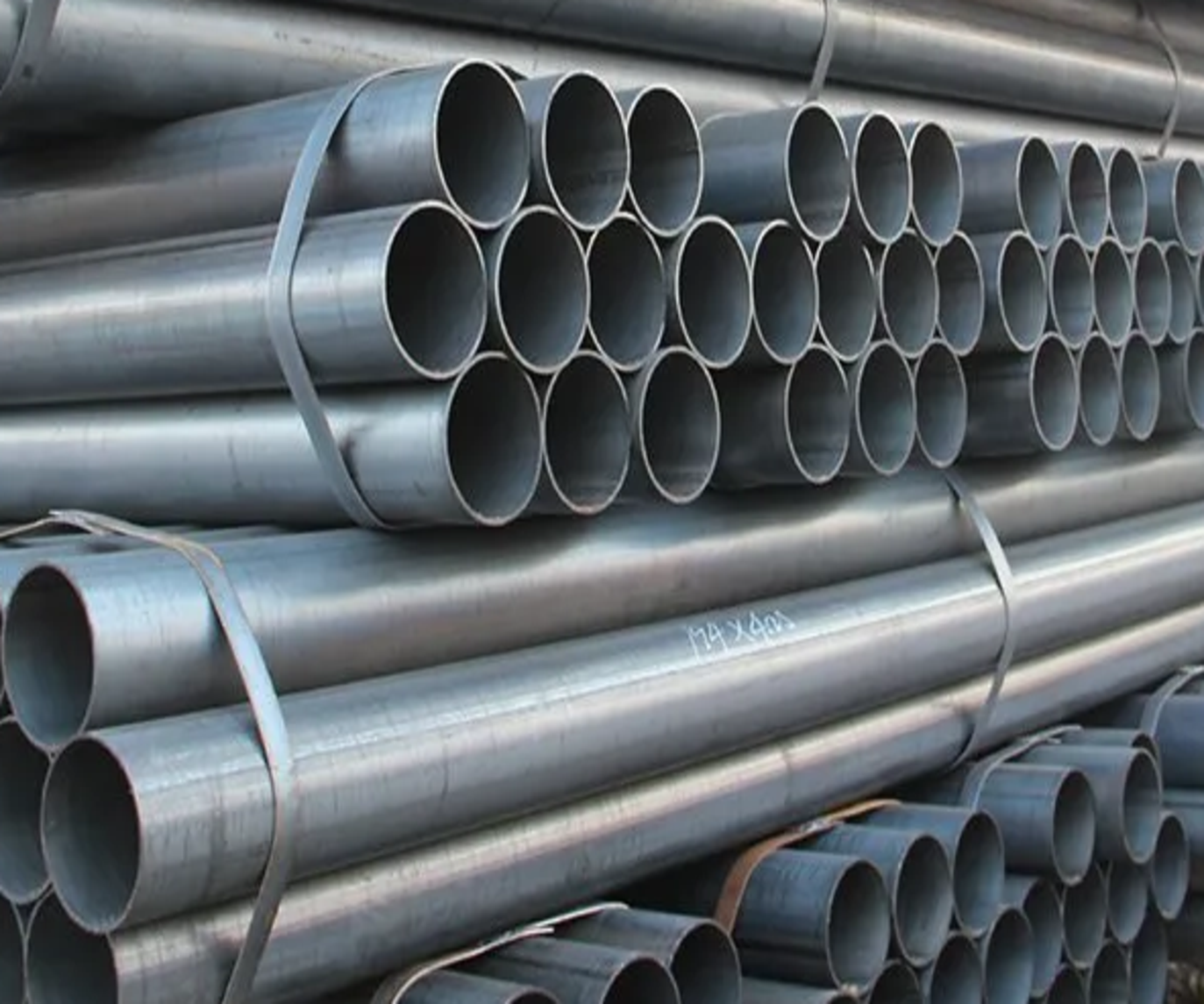
Application of thick-walled steel pipes in machining and hydraulic equipment
Thick-walled steel pipes are widely used in machining, hydraulic equipment, and heavy industrial machinery because they provide greater material thickness for pressure-bearing and high-load applications. They are commonly processed into hydraulic cylinder barrels, machined sle...Read more -
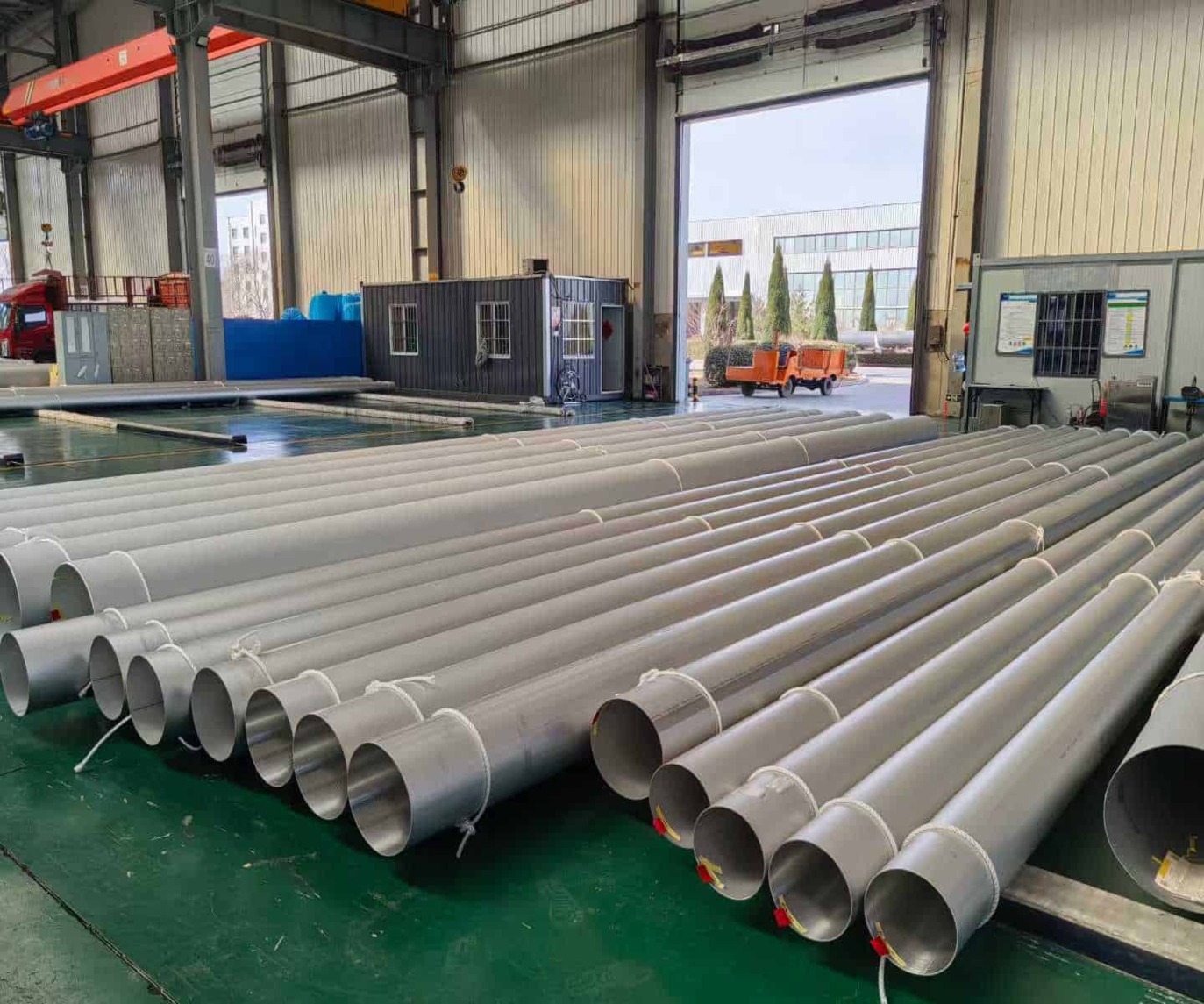
How is thick-walled steel pipe defined? Wall thickness limits, outer diameter range, and mainstream manufacturing processes.
A thick-walled steel pipe has a relatively large wall thickness compared with its outer diameter and is used where higher pressure-bearing capacity, stiffness, or mechanical load resistance is required. There is no single universal thickness limit; suitability depends on outsi...Read more -
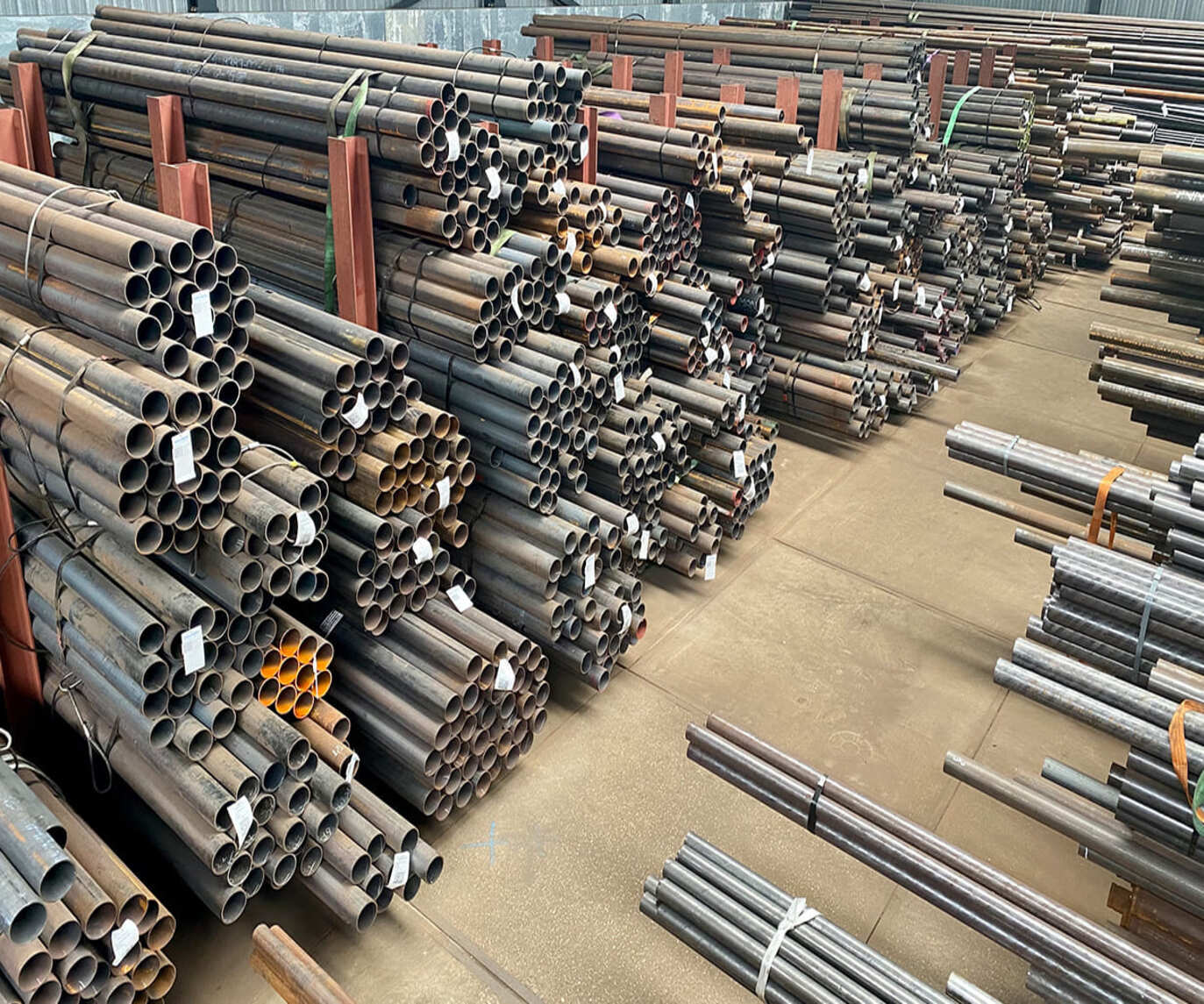
Application of thick-walled steel pipes in building structures and bridge engineering
Thick-walled steel pipes are widely used in building columns, bridge piles, tubular trusses, and heavy-duty support systems because they provide high structural capacity, rigidity, and resistance to local deformation. Their performance depends on steel grade, outside diameter,...Read more -
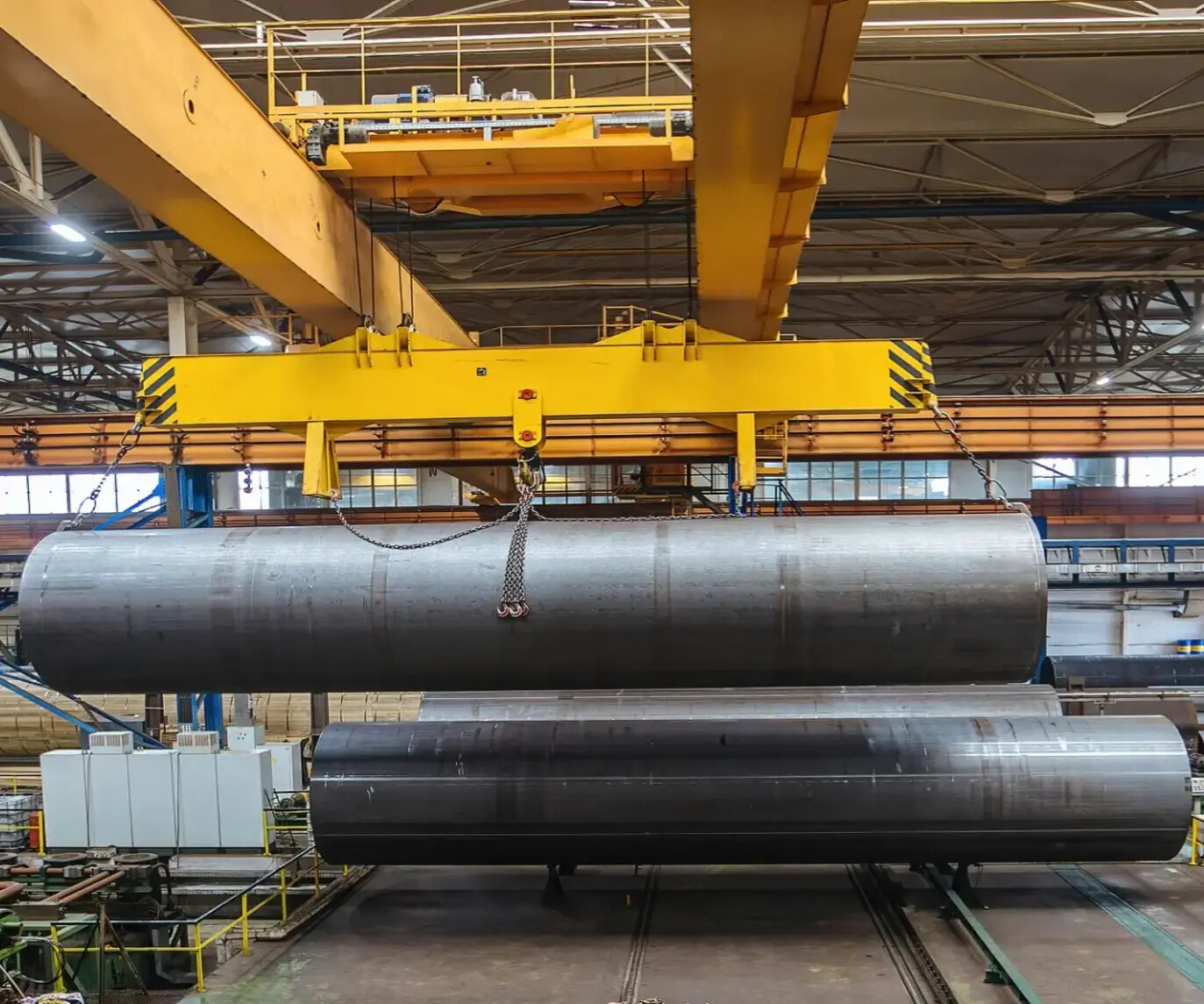
How to choose the material for thick-walled steel pipes? Performance comparison of 20#, 45#, Q345B, and 15CrMo.
Material selection is critical for thick-walled steel pipes used in high-pressure piping, structural engineering, energy projects, and industrial machinery. Wall thickness alone does not guarantee performance; the steel grade must meet strength, toughness, weldability, tempera...Read more -
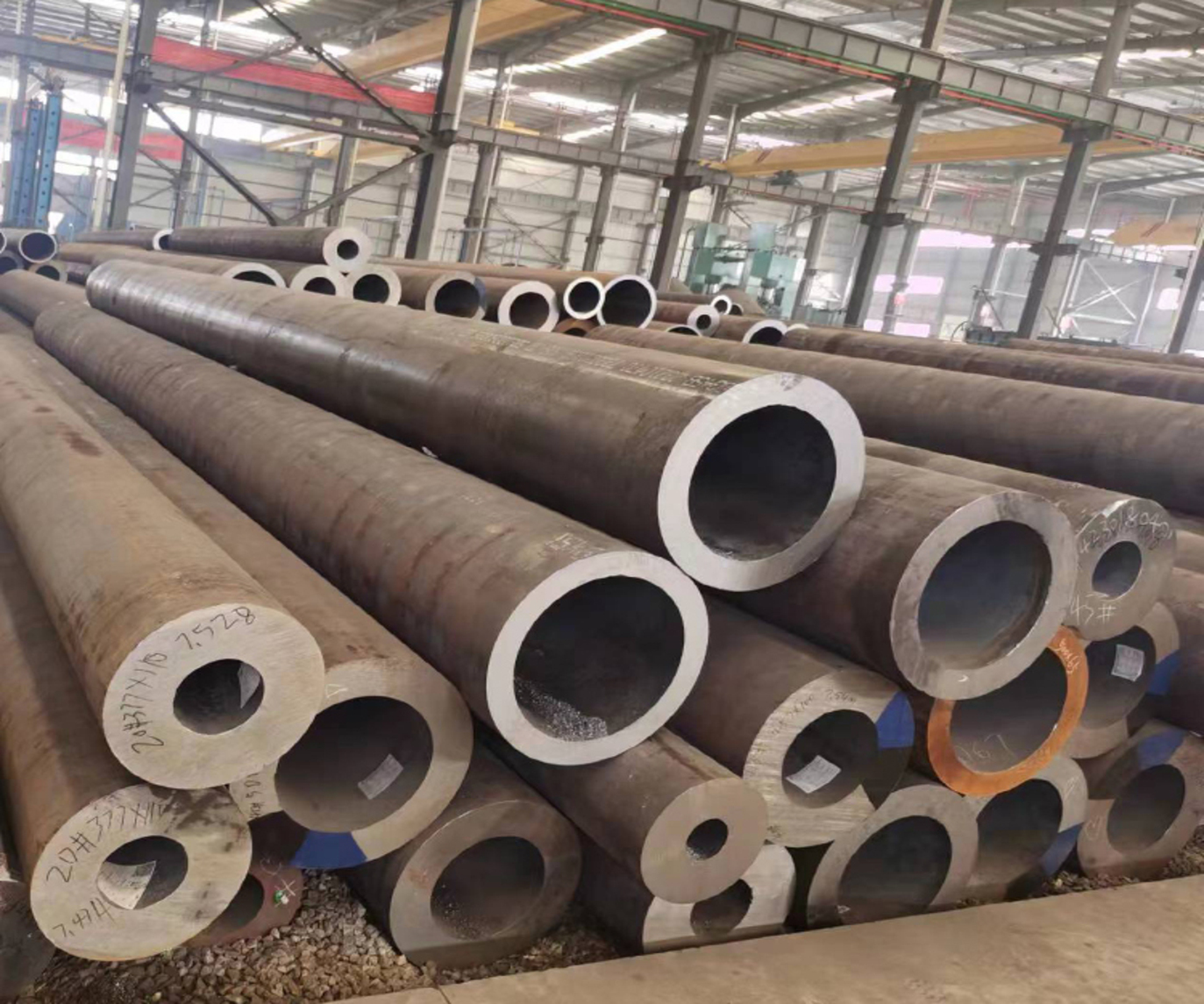
Differences between thick-walled seamless pipes and thick-walled welded pipes: manufacturing process, strength, and applicable scenarios.
Thick-walled seamless and welded steel pipes serve different industrial needs in oil and gas, power generation, mechanical engineering, and infrastructure. Seamless pipes are produced from solid billets without a longitudinal weld, making them suitable for high-pressure, high-...Read more -
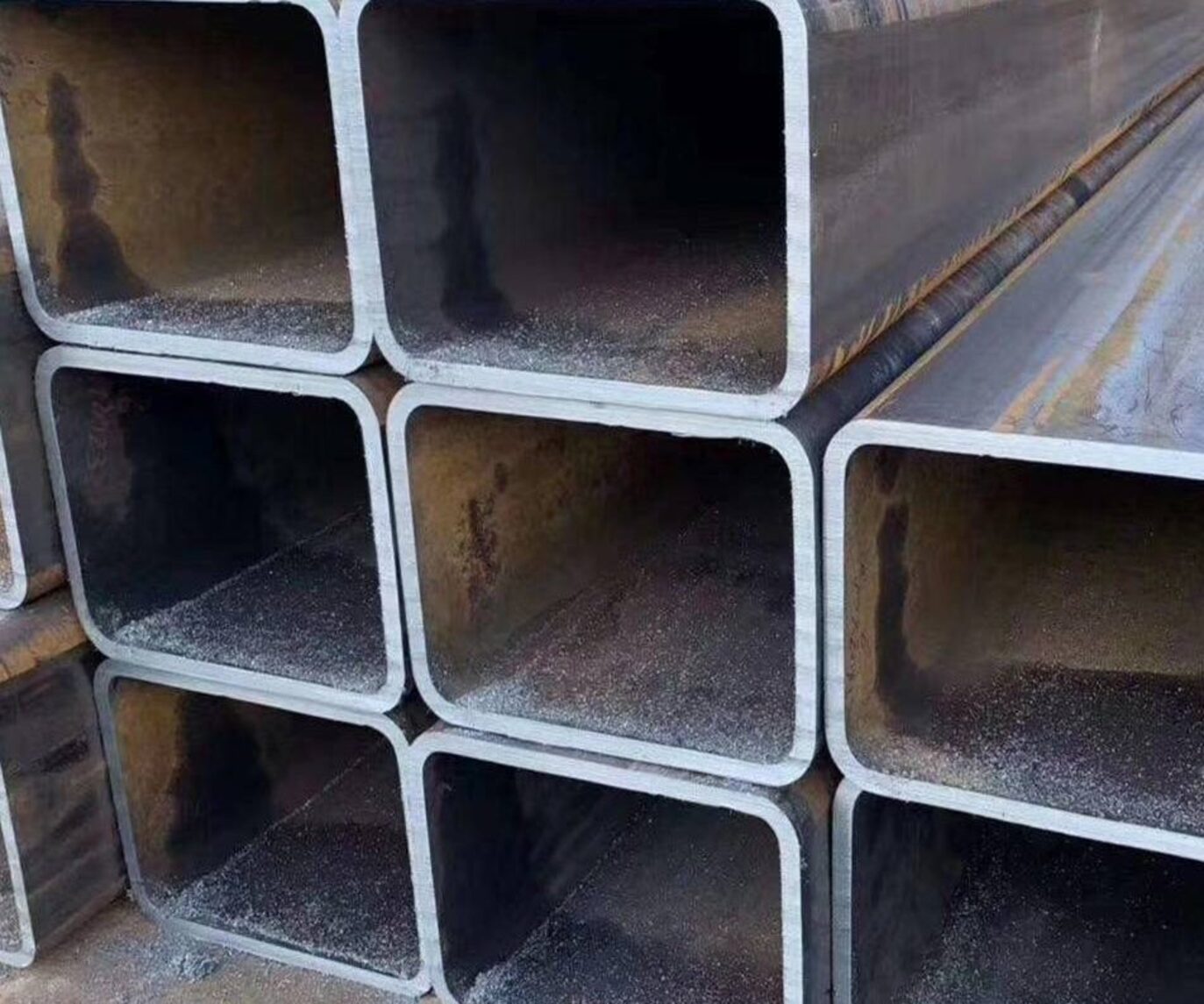
Application and Selection of Square and Rectangular Tubes in Solar Photovoltaic Supports
Square and rectangular steel tubes are widely used in solar PV support structures for residential, commercial, and utility-scale installations. Their closed cross-sections provide strong resistance to bending and torsion while using steel efficiently, making them suitable for ...Read more