

In critical piping systems, the flange is not just a connector — it’s a cornerstone of safety, pressure integrity, and long-term reliability. Below is our curated Toplist of Steel Pipe Flanges, ranked by application demand, material performance, and global project usage.
1. Weld Neck Flange (WN)
The High-Integrity Standard
Best for: High-pressure, high-temperature, and extreme cyclic conditions (refineries, power plants, offshore platforms).
Key features: Long tapered hub provides gradual stress distribution; excellent for radiography; resists bore erosion.
Common materials: ASTM A105 (carbon), A182 F304/F316 (stainless), A350 LF2 (low temp).
Pressure classes: 150# – 2500#.
Why it tops the list: Unmatched mechanical strength and weldability make it the first choice for severe service applications.
2. Slip-On Flange (SO)
Easy Alignment, Field-Friendly
Best for: Low-to-medium pressure systems, cooling water lines, firefighting networks.
Key features: Slides over pipe; requires fillet welding inside and out; easier alignment than WN.
Common materials: ASTM A105, A182 stainless, A536 ductile iron.
Pressure classes: 150# – 600#.
Why it’s a top seller: Lower installation cost + faster assembly = preferred for non-critical, large-diameter piping.
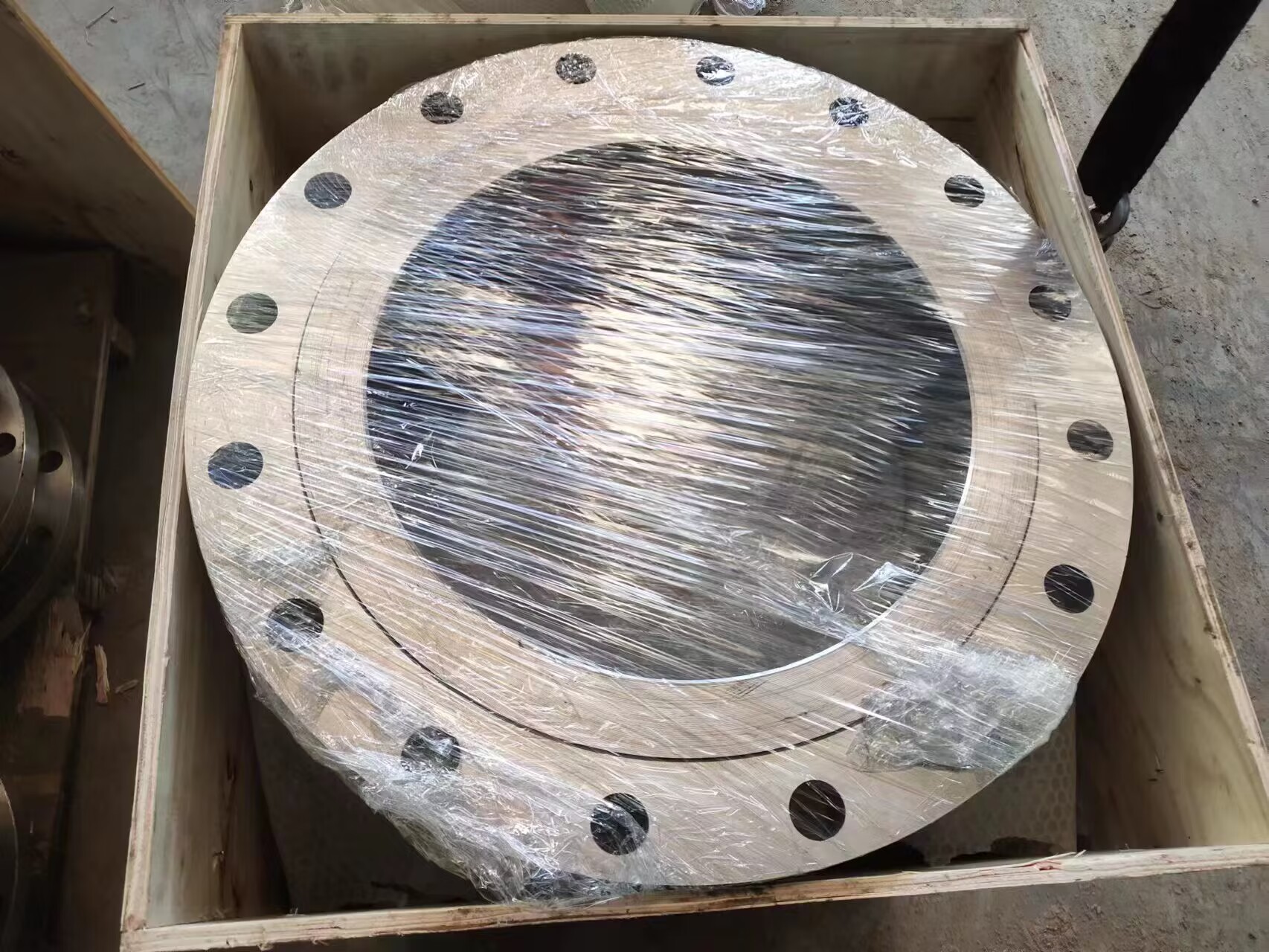
3. Blind Flange (BL)
Positive Isolation & End Closure
Best for: Sealing pipe ends, valve removal access points, pressure vessel manways.
Key features: No center bore; withstands substantial mechanical stress; allows easy future line expansion.
Common materials: A105, A350 LF2, A182 duplex, A516 carbon steel plate.
Pressure classes: 150# – 2500#.
Toplist ranking reason: Essential for system maintenance and safety isolation — no piping facility can operate without them.
4. Socket Weld Flange (SW)
Compact & Leak-Resistant
Best for: Small-bore, high-pressure lines (instrumentation, chemical injection, hydraulic systems).
Key features: Pipe inserts into socket; fillet weld at top; smooth bore reduces turbulence.
Common materials: A105, A182 F316, F304, F51 duplex.
Size range: Typically NPS ½″ – 4″.
Why it stands out: Superior fatigue resistance for vibration-prone systems — a top choice for compressors and pumps.
5. Threaded Flange (TH)
No Welding Required
Best for: Highly explosive environments (gas stations, chemical plants) or galvanized piping where welding is restricted.
Key features: Internal tapered threads (NPT/BSPT); quick assembly/disassembly.
Common materials: A105, A182 stainless, ductile iron.
Size range: NPS ½″ – 4″.
Toplist note: Ideal for temporary connections and maintenance-heavy zones.
6. Lap Joint Flange (LJ/LJFF)
Cost-Effective for Corrosive Lines
Best for: Lines with expensive alloy or clad pipe (stainless, nickel alloy, titanium).
Key features: Used with a stub end; flange rotates for easy bolt alignment; flange material can be carbon steel, saving cost.
Common materials: Carbon steel flange + stainless/stub end.
Pressure classes: 150# – 900#.
Why it earns a place: Reduces flange material cost by 40–60% in corrosive services.
7. Orifice Flange
Precision Flow Measurement
Best for: Custody transfer, gas flow metering, steam networks.
Key features: Precision-machined tappings (two radial, two tangential) for differential pressure instruments; comes with jacking screws.
Common materials: A105, A182 F304/F316.
Pressure classes: 300# – 2500#.
Toplist value: Combines connection + metering in one component — reduces leak paths and installation time.
8. High-Integrity Flange (Compact Flange)
Lightweight & High-Pressure
Best for: Subsea, HPHT wells, hydrogen service, weight-sensitive topsides.
Key features: Metal-to-metal seal (BX or pressure-energized ring); bolts in tension, not bending; smaller OD/lighter than standard flanges.
Common materials: F51/F53 duplex, super duplex, Inconel 625, 17-4PH.
Pressure ratings: Up to 20,000 psi.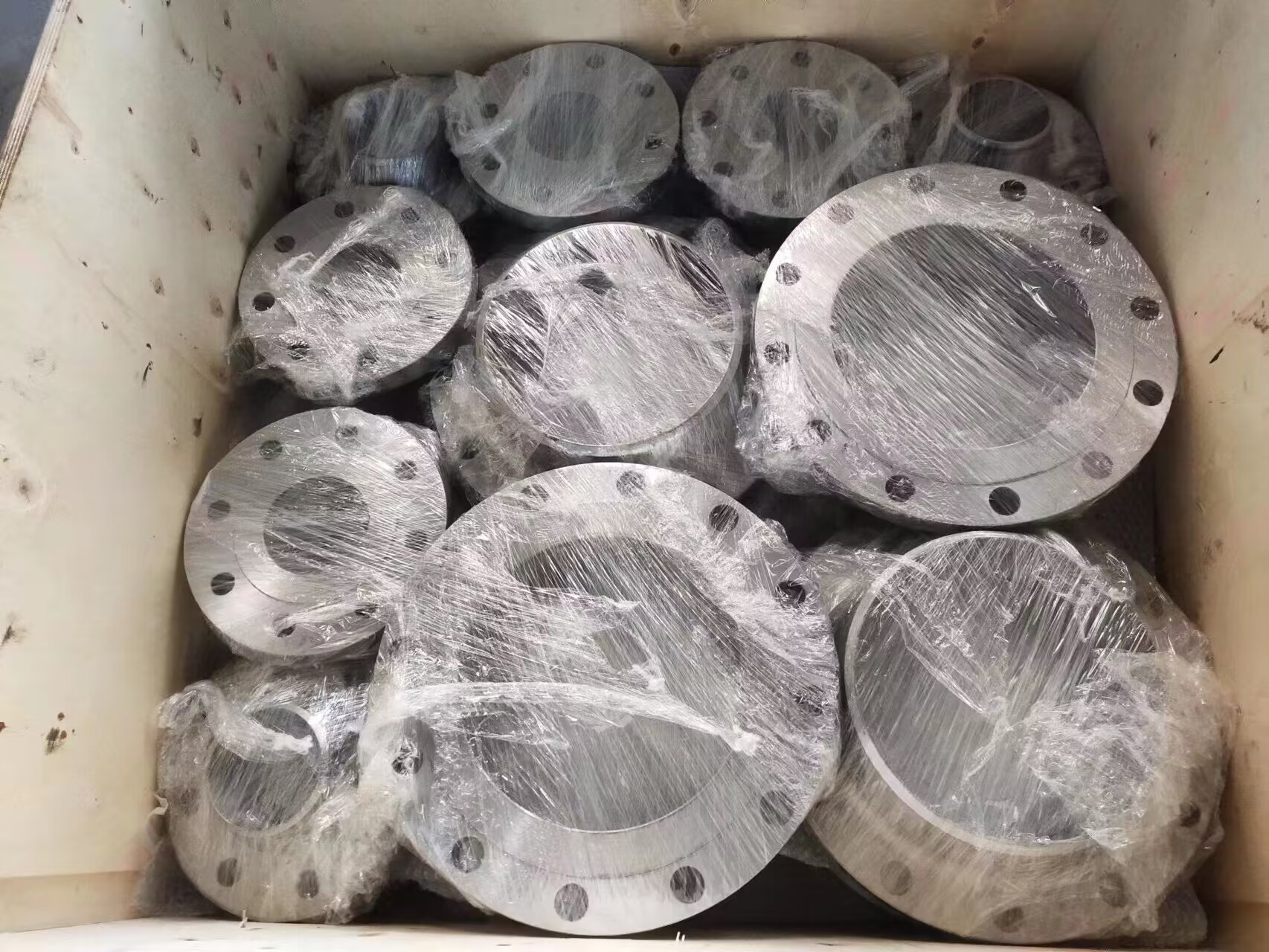
Why it’s rising in the toplist: Critical for deepwater and hydrogen economy — where weight and compactness matter.
Post time: Apr-30-2026