

News
-
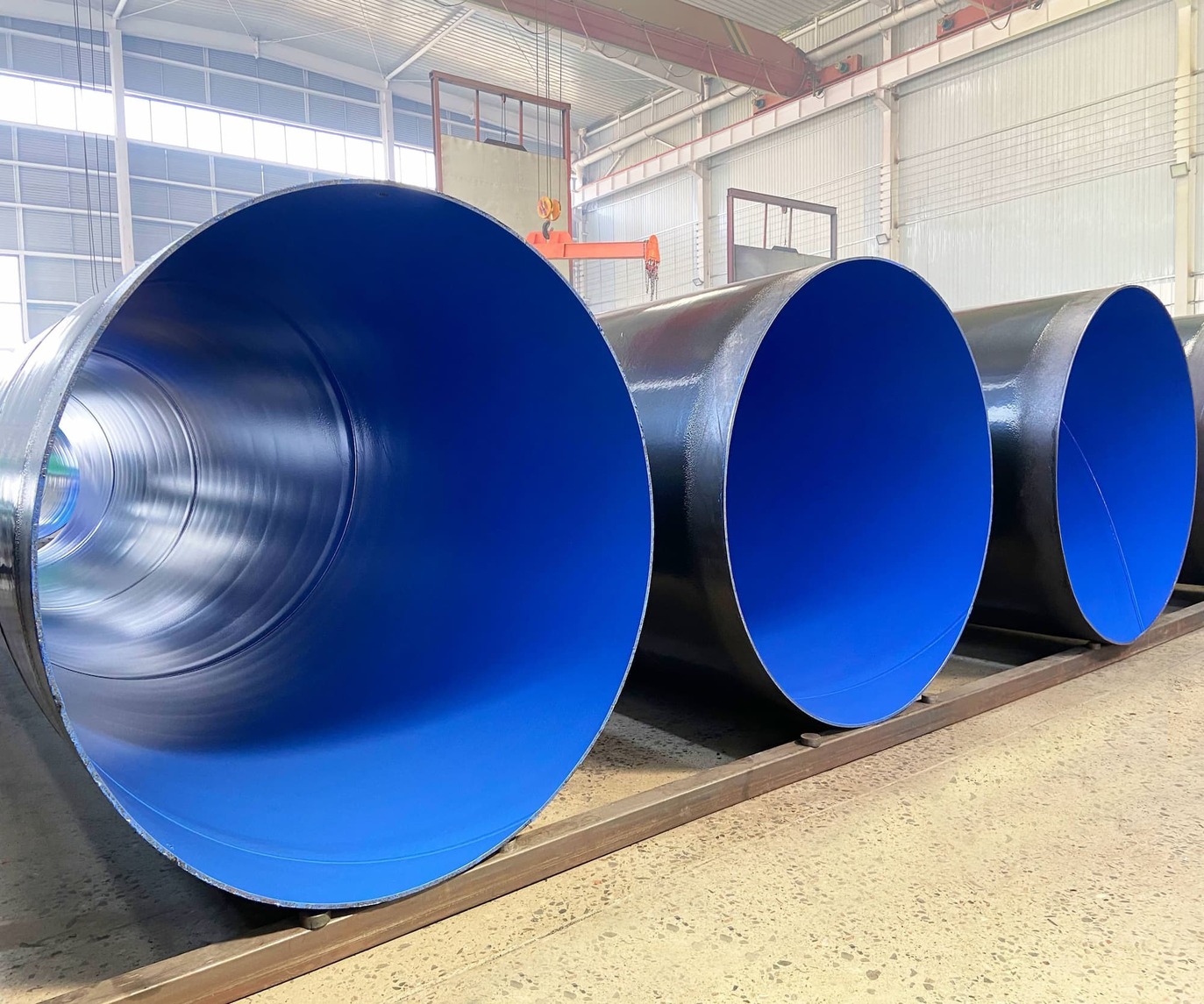
Internal corrosion protection solutions for anti-corrosion steel pipes: Comparison of epoxy powder, liquid epoxy, and cement mortar
Internal corrosion protection is essential for steel pipes in water, oil, gas, and industrial applications, preventing wall thinning, reduced flow efficiency, and premature failure. Exposure to oxygen, chlorides, CO₂, H₂S, and other corrosive substances demands a reliable barr...Read more -
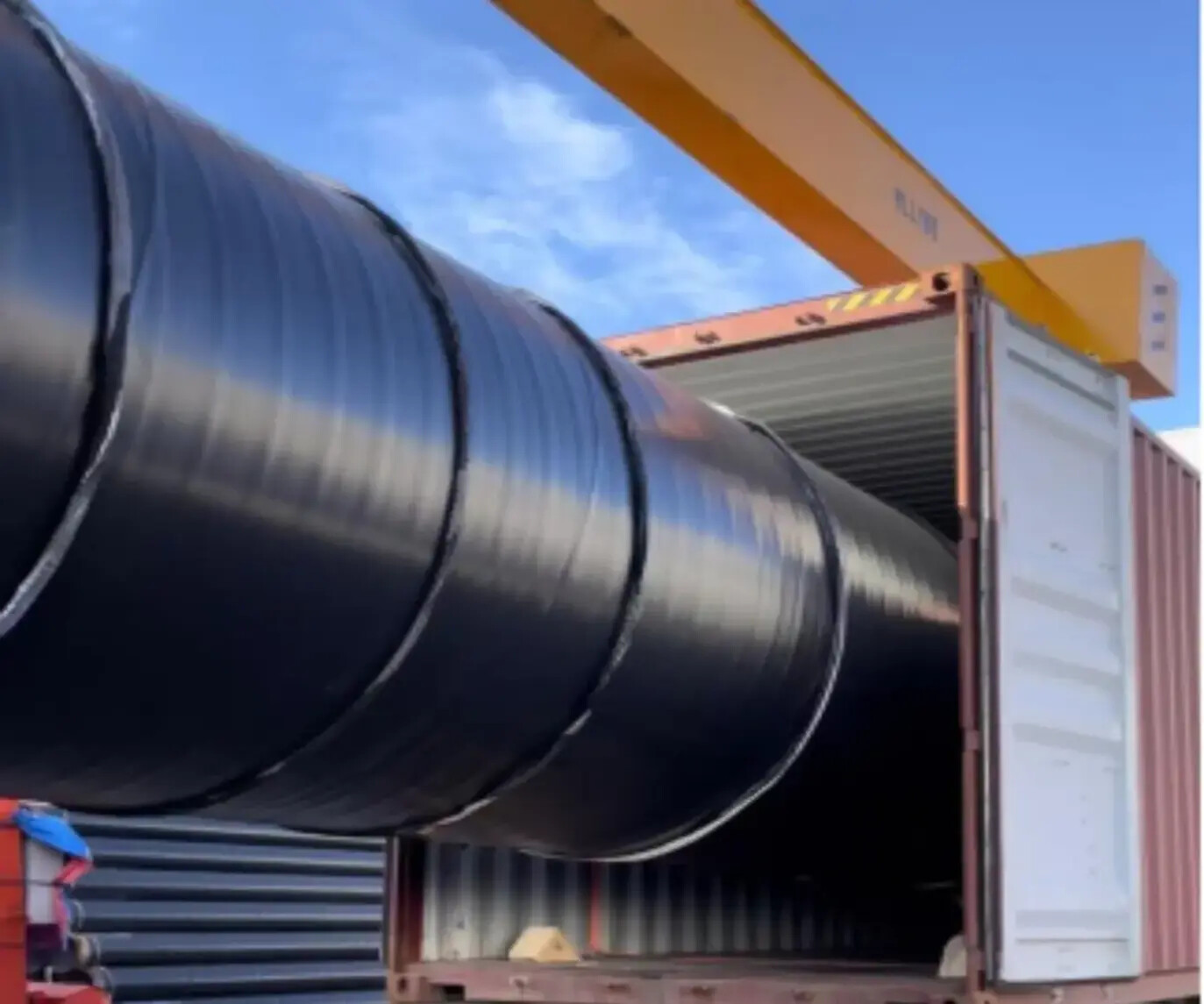
Applications of 3PE anti-corrosion steel pipes in heating pipelines and chemical industries
3PE anti-corrosion steel pipes are essential for buried pipelines in heating, chemical, oil, and gas industries, where external corrosion from soil, moisture, and mechanical damage threatens service life. The three-layer coating system consists of: fusion-bonded epoxy (FBE) fo...Read more -
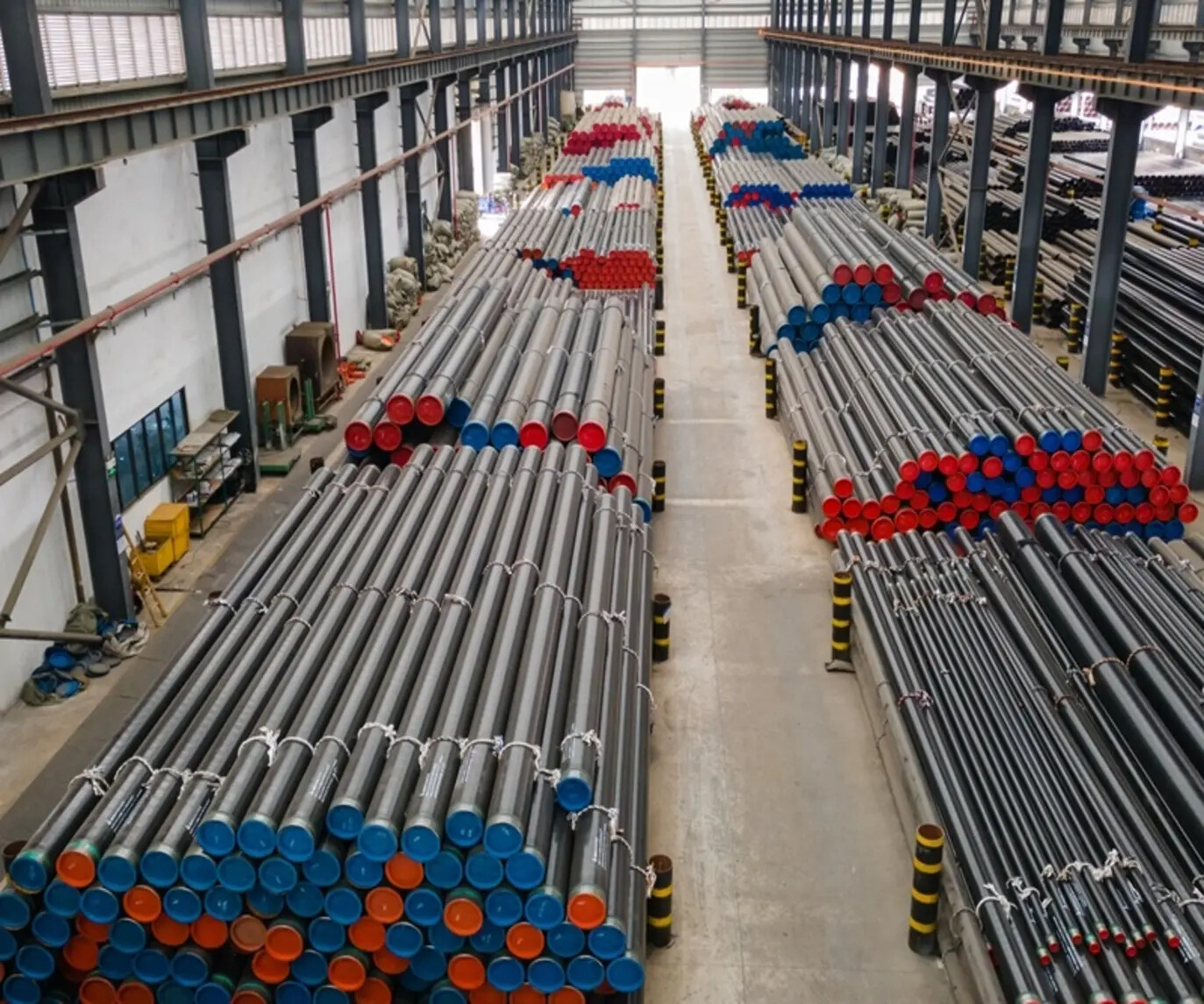
Application and Selection of 3PE Anti-corrosion Steel Pipes in Long-Distance Oil and Gas Pipelines
3PE anti-corrosion steel pipes are essential for long-distance oil and gas pipelines, providing durable external protection against soil corrosion, moisture, temperature variations, and mechanical damage during installation. The three-layer polyethylene coating system consists...Read more -
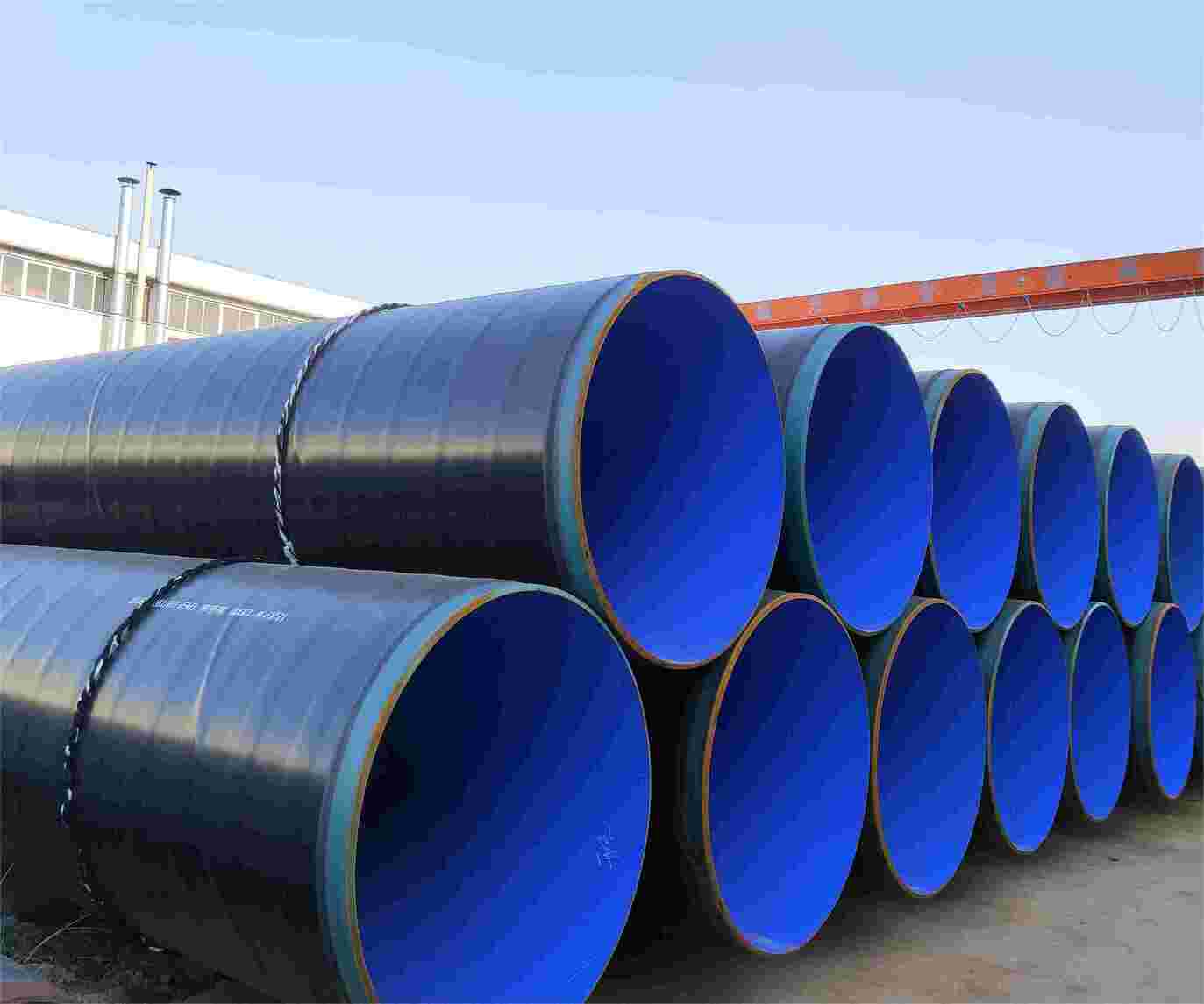
What is TPEP anti-corrosion steel pipe? What are the structure and advantages of internal and external double anti-corrosion?
TPEP anti-corrosion steel pipe combines the mechanical strength of steel with dual-surface protection. Featuring a 3PE outer layer and an inner epoxy coating, it effectively isolates the pipe from both the transported medium and the surrounding environment. This internal and e...Read more -
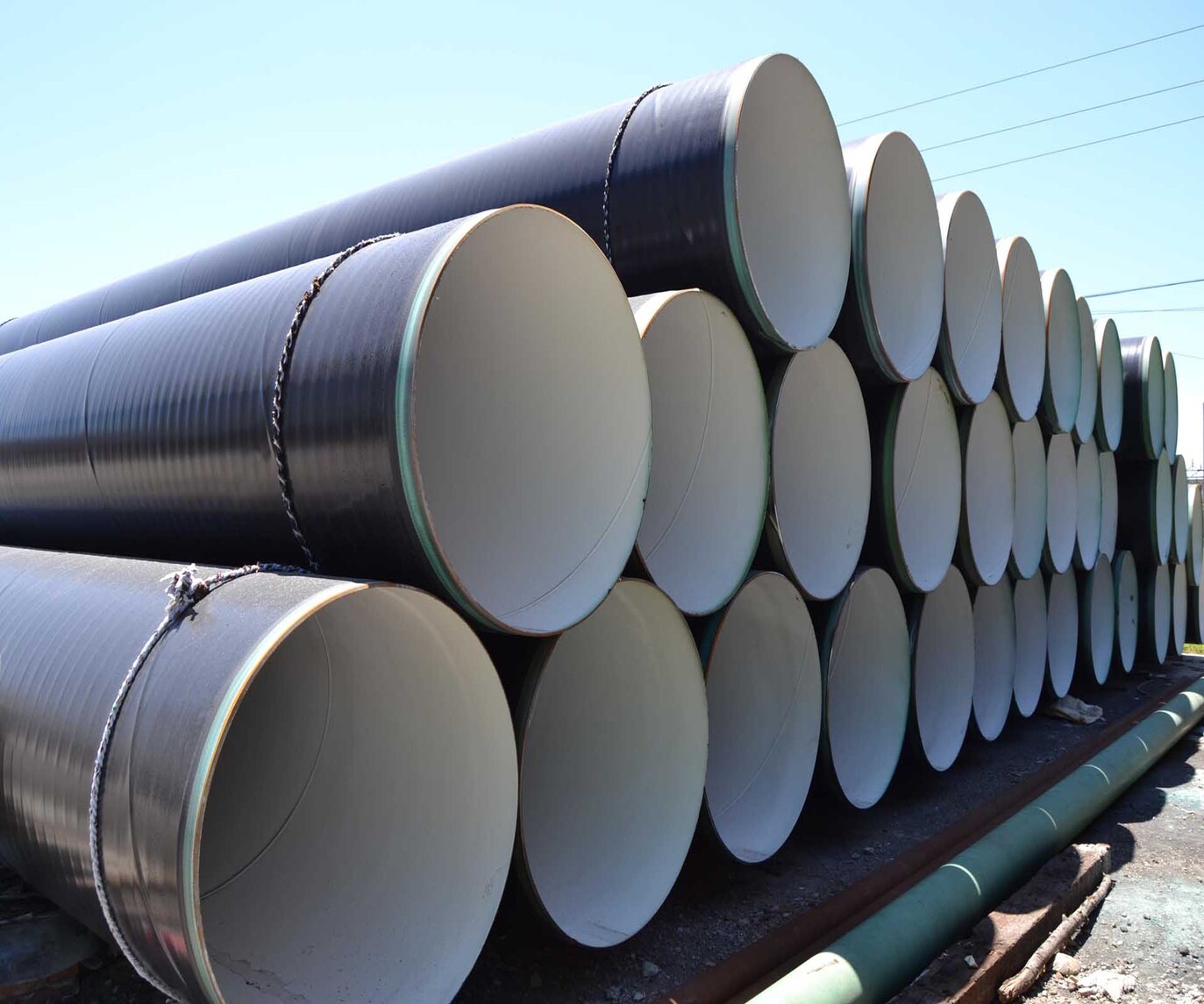
What are the differences between ordinary and reinforced 3PE anti-corrosion steel pipes? Does thickness determine lifespan?
3PE anti-corrosion steel pipe is a globally recognized solution for buried pipelines in water, oil, and gas projects. Its three-layer system—fusion-bonded epoxy (FBE) primer, adhesive, and outer polyethylene (PE)—delivers superior chemical resistance and mechanical protection,...Read more -
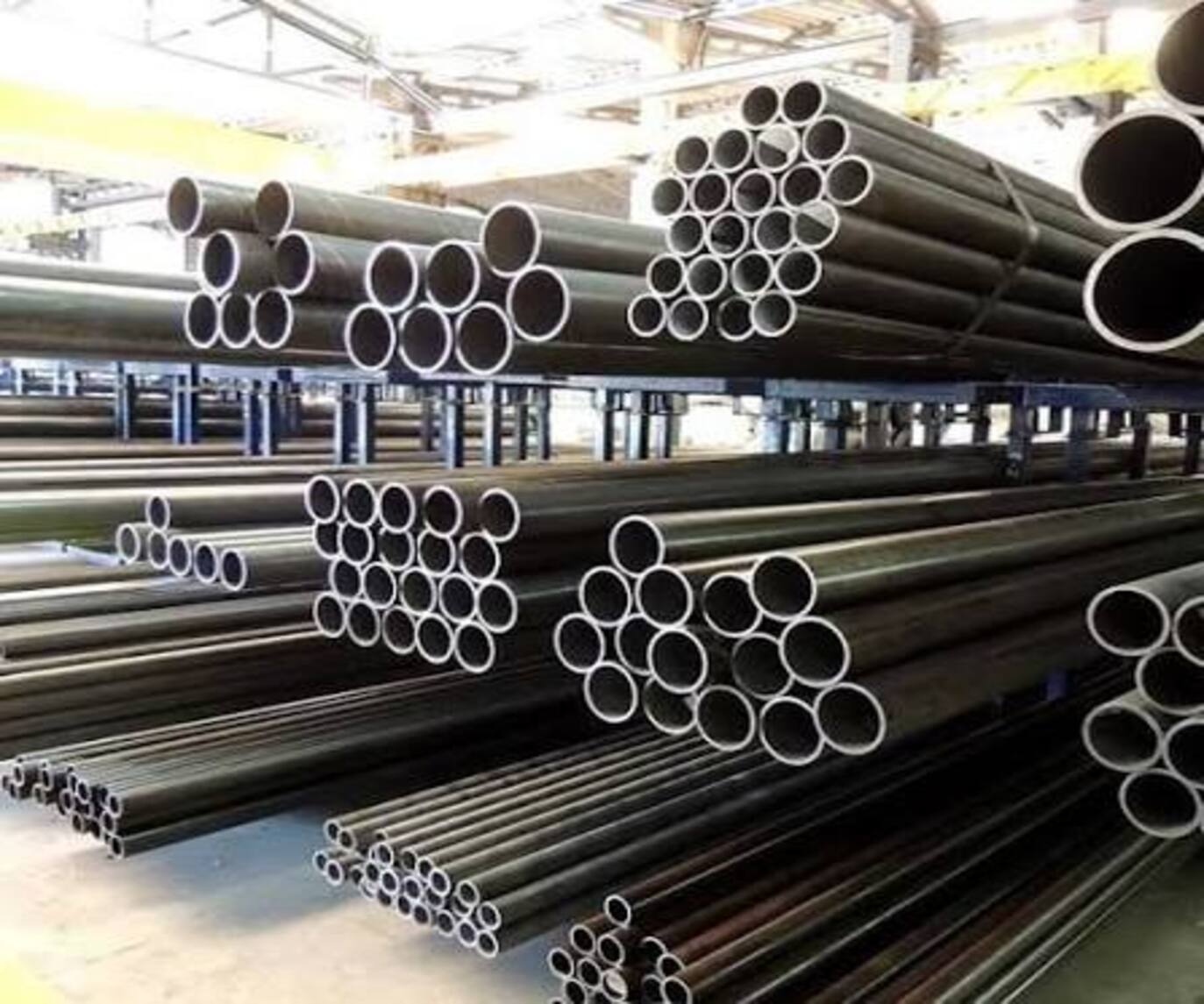
Manufacturing process of ASTM A500 round tubes: Comparison of ERW welding and seamless processes
ASTM A500 round tubes are essential for structural and fabrication applications, combining high strength with dimensional versatility. The performance of these tubes is closely tied to their manufacturing process, with two primary methods: Electric Resistance Welding (ERW) and...Read more -
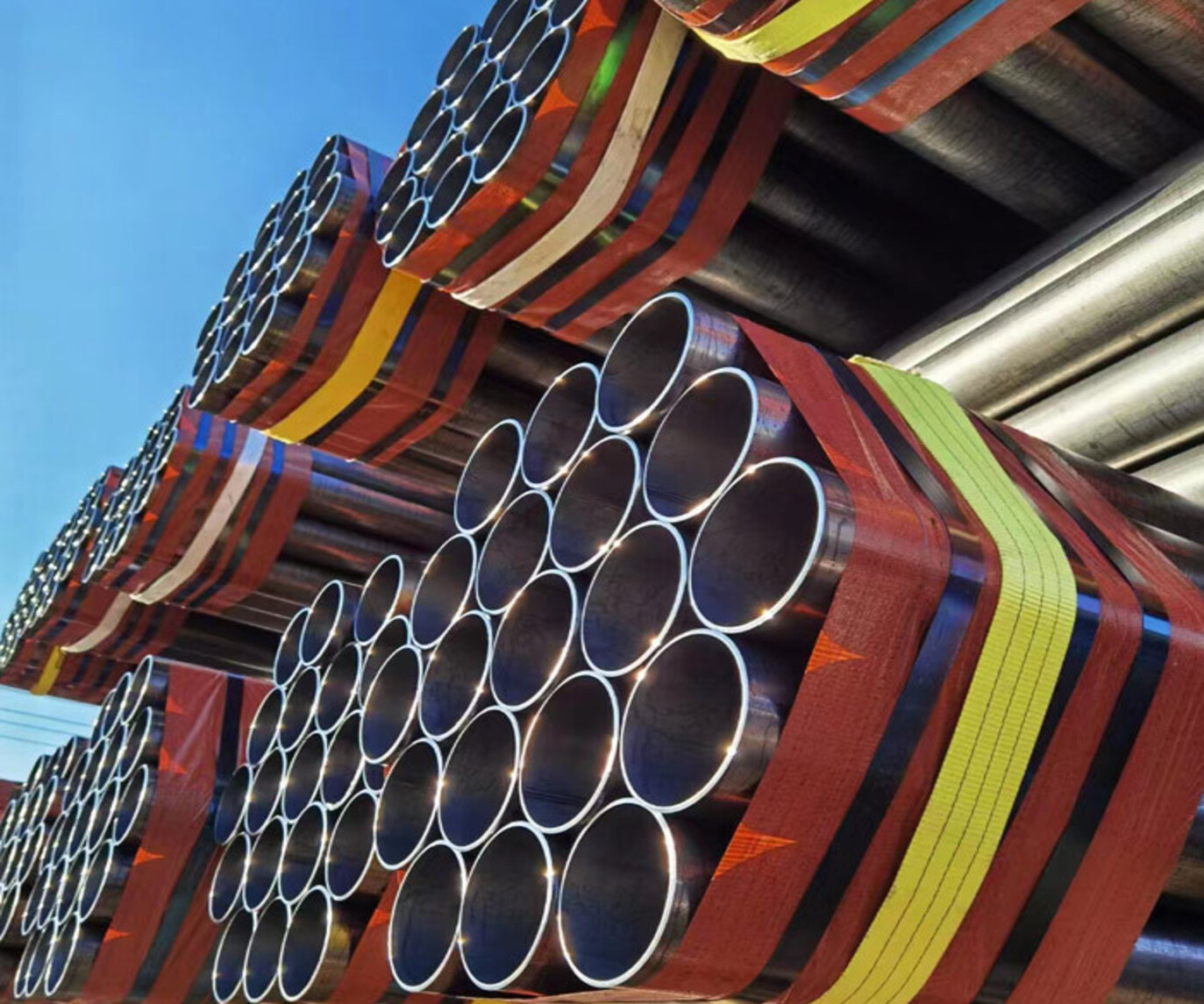
What are the applications of ASTM A500 round tubes in mechanical manufacturing and equipment frames?
ASTM A500 round tubes are a preferred choice in mechanical manufacturing, offering an optimal balance of structural strength, dimensional consistency, and fabrication flexibility. As cold-formed, welded, or seamless carbon steel tubing, they deliver high strength-to-weight rat...Read more -
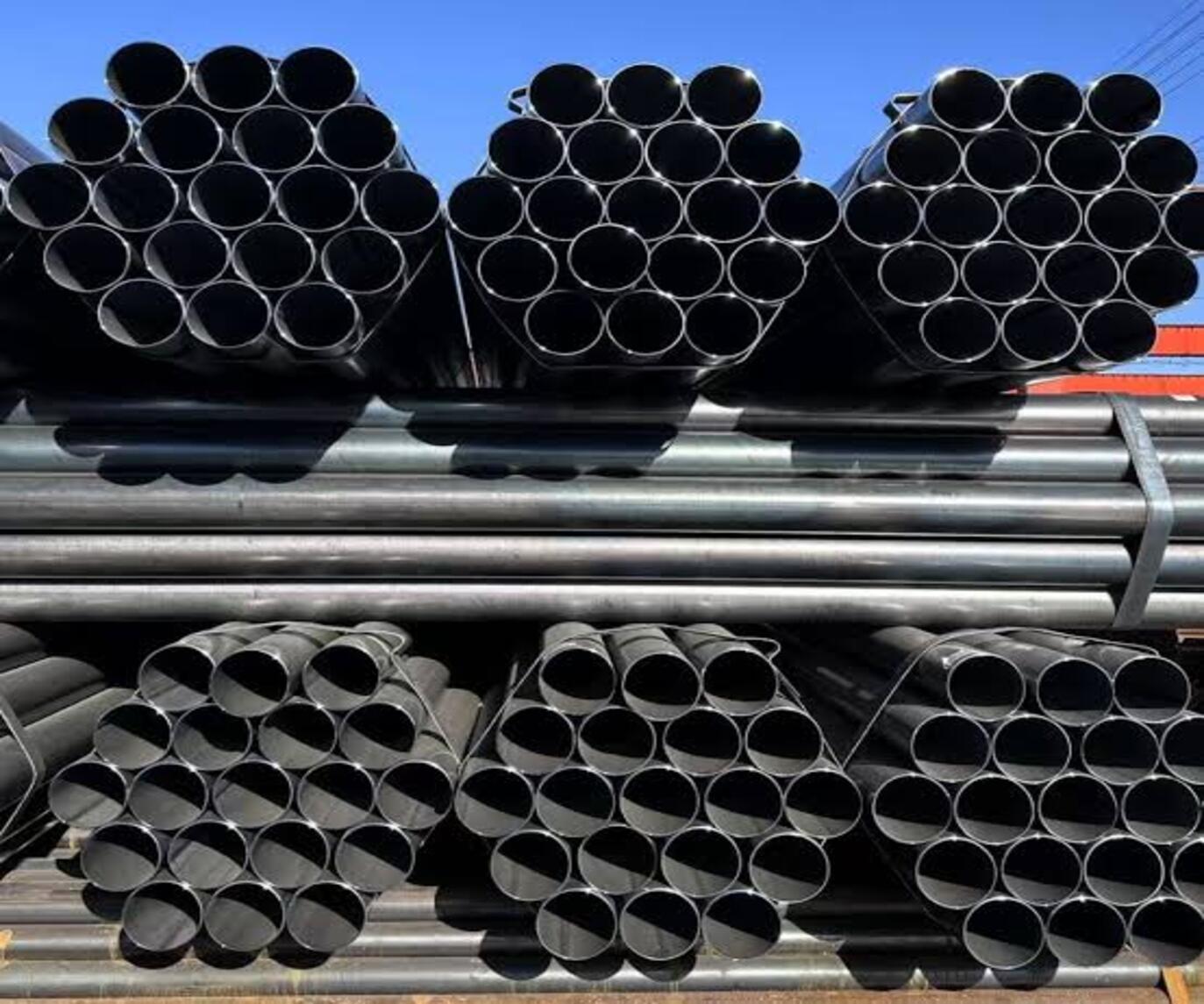
What are the applications of ASTM A500 round tubes in mechanical manufacturing and equipment frames?
ASTM A500 round tubes are a premier choice for mechanical manufacturing, offering an optimal balance of structural strength and fabrication flexibility. Ideal for equipment frames, machine bases, and conveyor supports, these cold-formed carbon steel tubes provide rigid load-be...Read more -
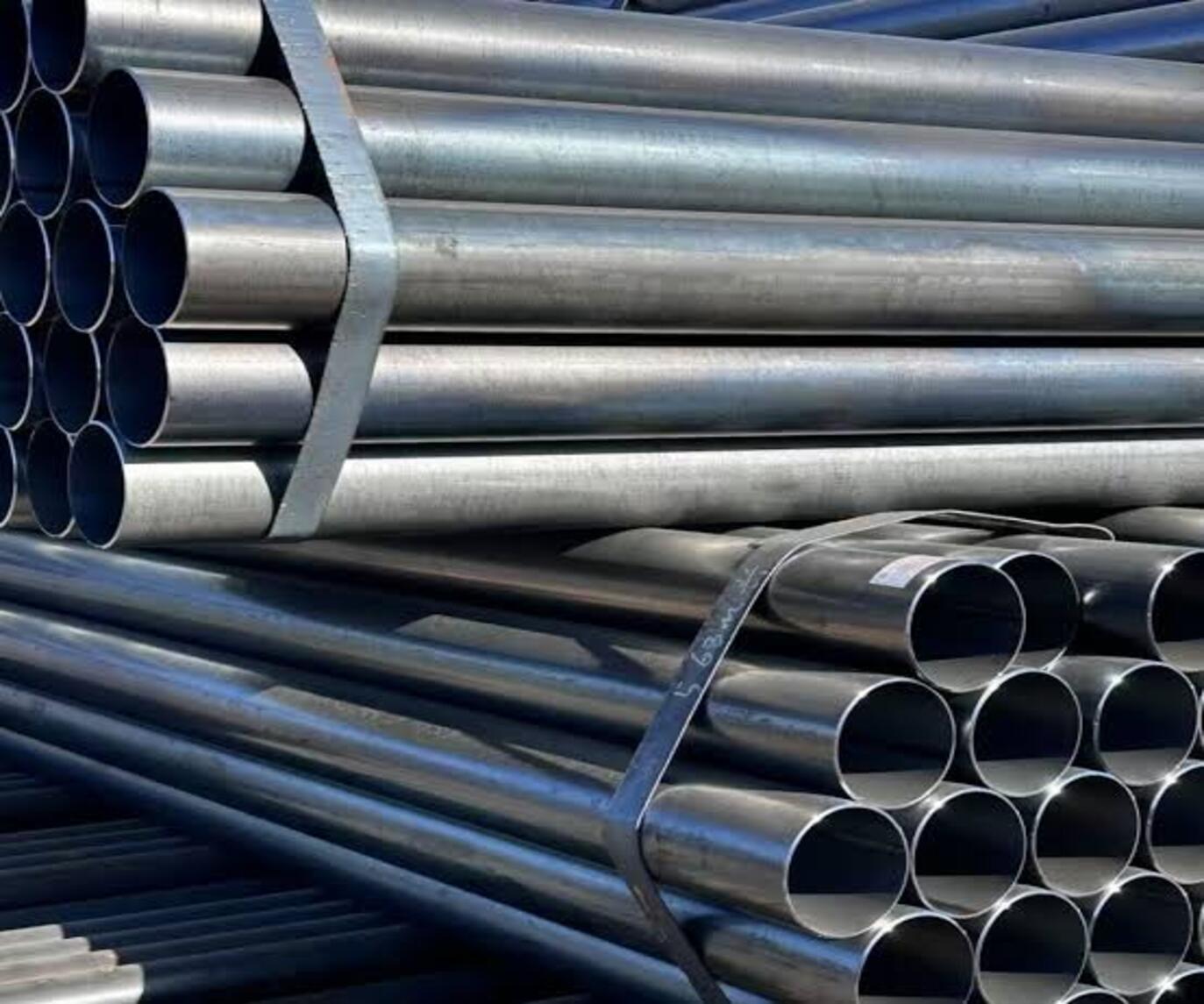
ASTM A500 round pipe tolerance system: Why is it more precise than A53 pipe?
Dimensional tolerance is critical for structural fabrication, but ASTM A500 and ASTM A53 are designed for entirely different applications and should not be treated as interchangeable. ASTM A500 is specifically engineered for cold-formed structural tubing. Its manufacturing pro...Read more