

News
-
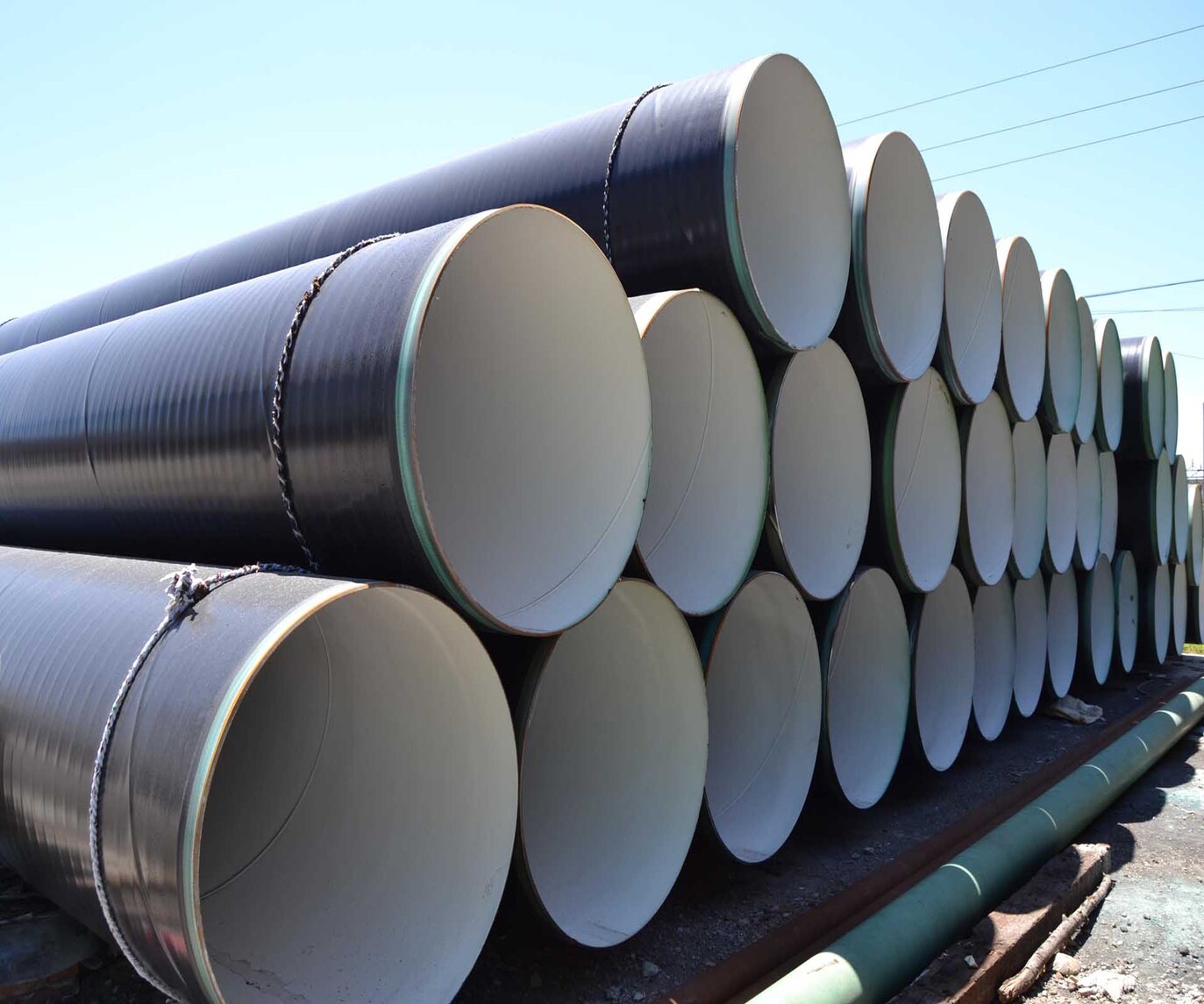
What are the differences between ordinary and reinforced 3PE anti-corrosion steel pipes? Does thickness determine lifespan?
3PE anti-corrosion steel pipe is a globally recognized solution for buried pipelines in water, oil, and gas projects. Its three-layer system—fusion-bonded epoxy (FBE) primer, adhesive, and outer polyethylene (PE)—delivers superior chemical resistance and mechanical protection,...Read more -
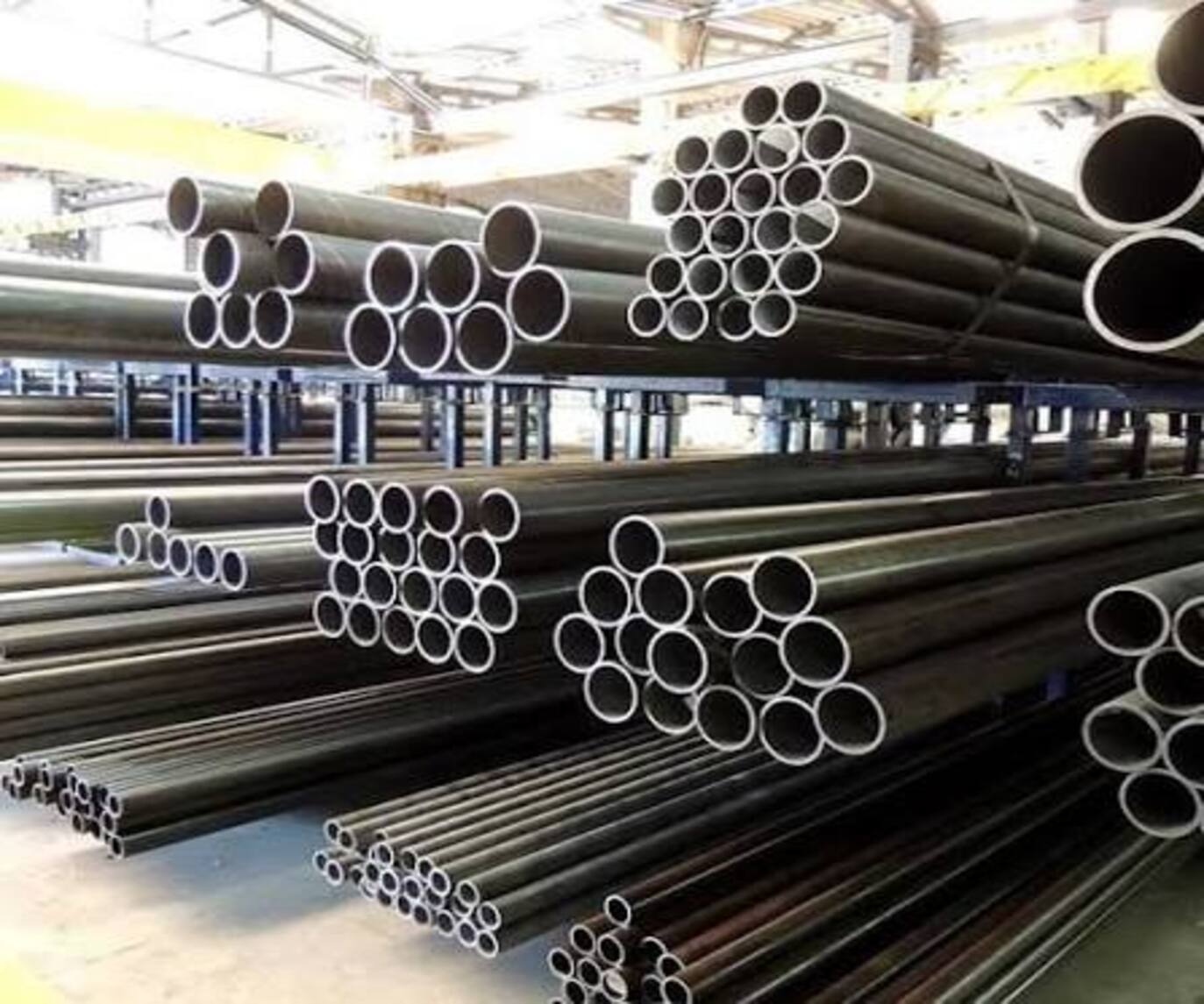
Manufacturing process of ASTM A500 round tubes: Comparison of ERW welding and seamless processes
ASTM A500 round tubes are essential for structural and fabrication applications, combining high strength with dimensional versatility. The performance of these tubes is closely tied to their manufacturing process, with two primary methods: Electric Resistance Welding (ERW) and...Read more -
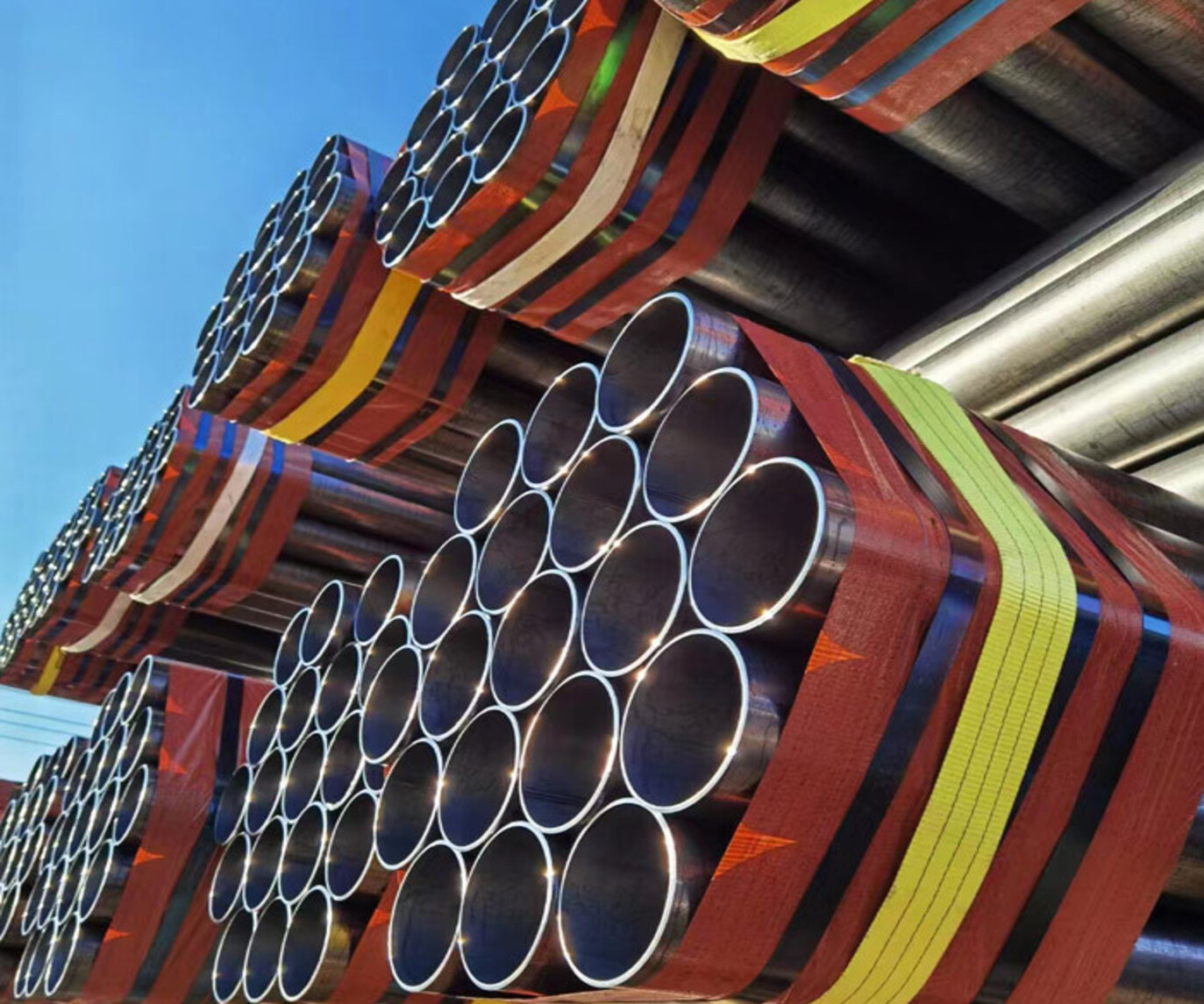
What are the applications of ASTM A500 round tubes in mechanical manufacturing and equipment frames?
ASTM A500 round tubes are a preferred choice in mechanical manufacturing, offering an optimal balance of structural strength, dimensional consistency, and fabrication flexibility. As cold-formed, welded, or seamless carbon steel tubing, they deliver high strength-to-weight rat...Read more -
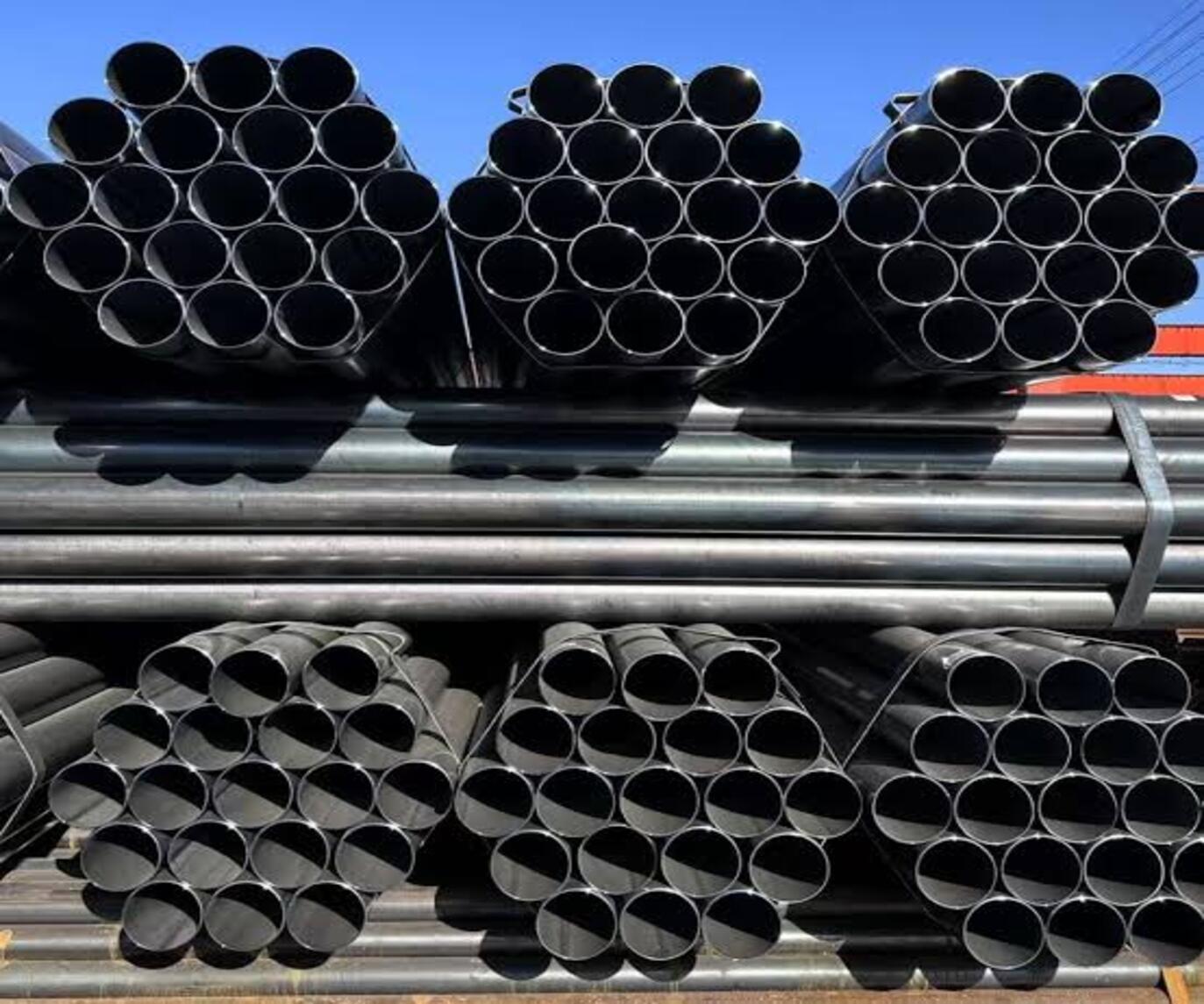
What are the applications of ASTM A500 round tubes in mechanical manufacturing and equipment frames?
ASTM A500 round tubes are a premier choice for mechanical manufacturing, offering an optimal balance of structural strength and fabrication flexibility. Ideal for equipment frames, machine bases, and conveyor supports, these cold-formed carbon steel tubes provide rigid load-be...Read more -
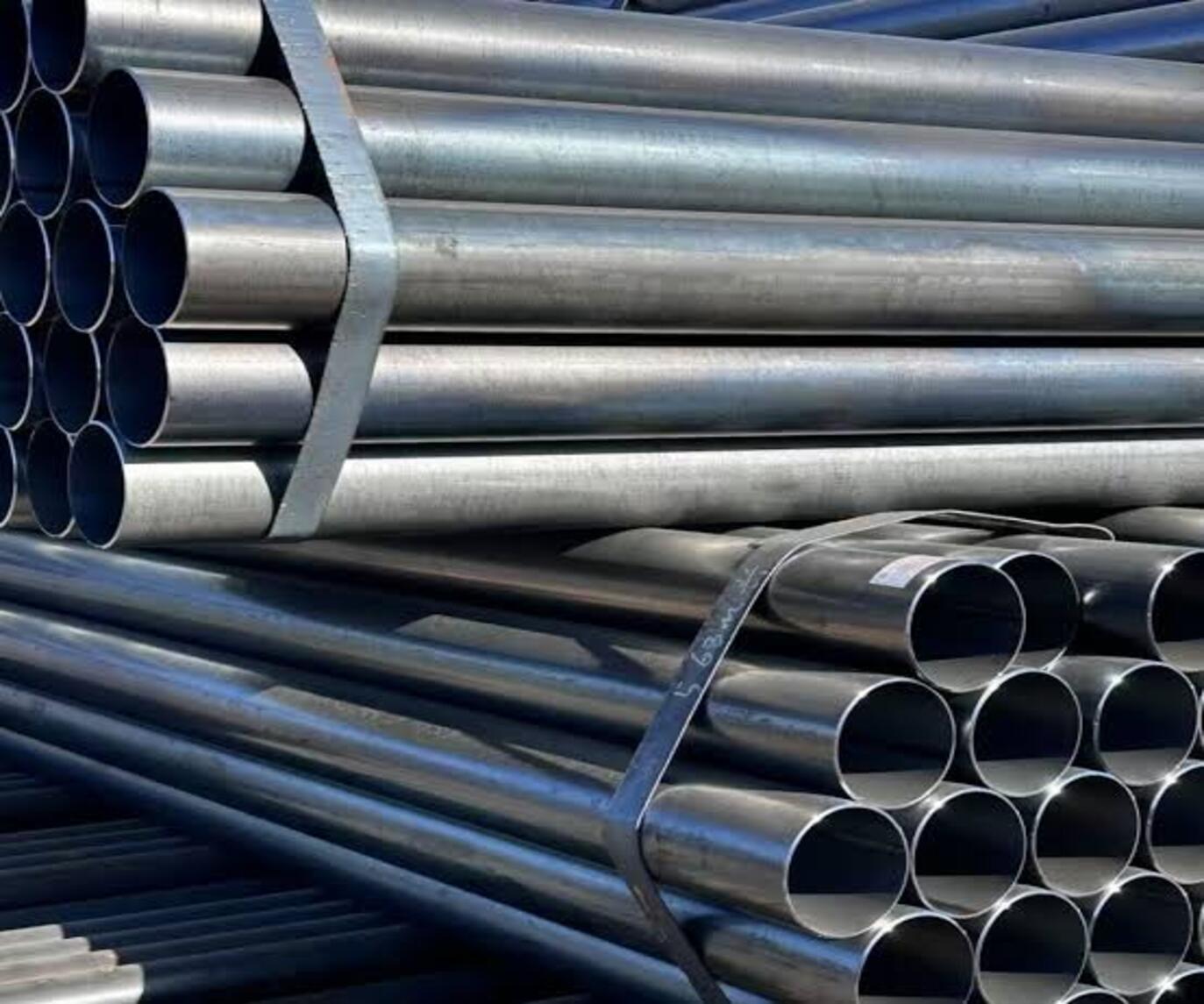
ASTM A500 round pipe tolerance system: Why is it more precise than A53 pipe?
Dimensional tolerance is critical for structural fabrication, but ASTM A500 and ASTM A53 are designed for entirely different applications and should not be treated as interchangeable. ASTM A500 is specifically engineered for cold-formed structural tubing. Its manufacturing pro...Read more -
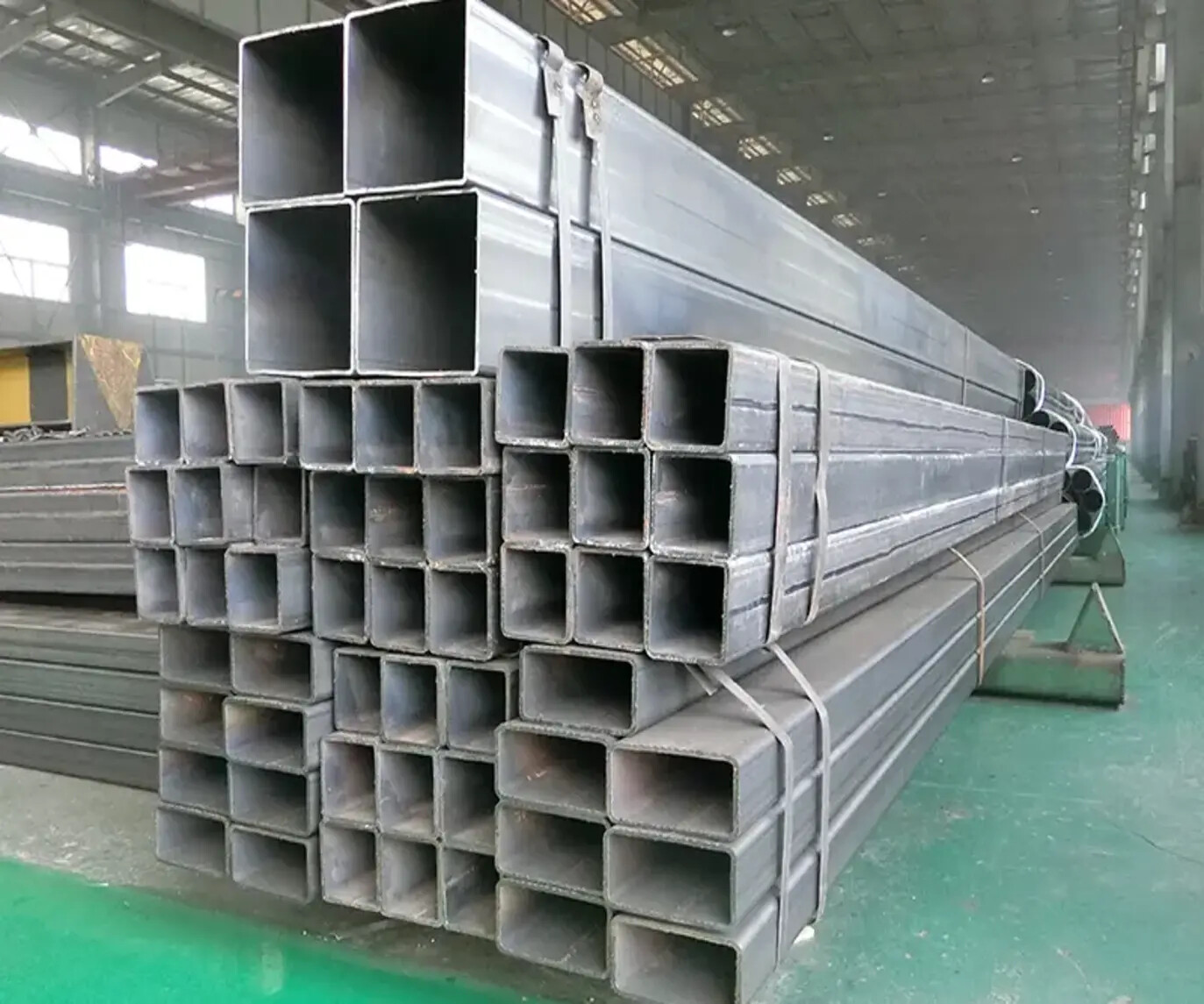
The correspondence between ASTM A500 Grade C and Q355 for square and rectangular tubes: Can they be directly substituted?
ASTM A500 Grade C and Q355 are widely used structural steel grades for square and rectangular tubes, but they belong to different standard systems and are not automatically interchangeable. While their mechanical properties may appear similar, they differ in chemical compositi...Read more -

What are the differences between EN 10219 and EN 10210 steel pipes? What are the core differences between cold forming and hot forming?
EN 10219 and EN 10210 are key European standards for structural hollow sections, but they differ fundamentally in their manufacturing processes. EN 10219 covers cold-formed welded sections, offering high dimensional accuracy and efficient production. In contrast, EN 10210 cove...Read more -

What are the applications and characteristics of EN10219 S355J2H hollow profiles?
EN 10219 S355J2H is a premium cold-formed welded structural hollow section, widely used in construction, infrastructure, and machinery. Available in Circular (CHS), Square (SHS), and Rectangular (RHS) shapes, it combines high strength with excellent low-temperature impact toug...Read more -

What are the differences between EN 10219 and AS/NZS 1163 steel pipes? Which one should you choose for your project?
EN 10219 and AS/NZS 1163 are two distinct international standards for cold-formed welded structural steel hollow sections. While both cover circular, square, and rectangular profiles for load-bearing applications, they serve different regional markets and are not interchangeab...Read more