

News
-
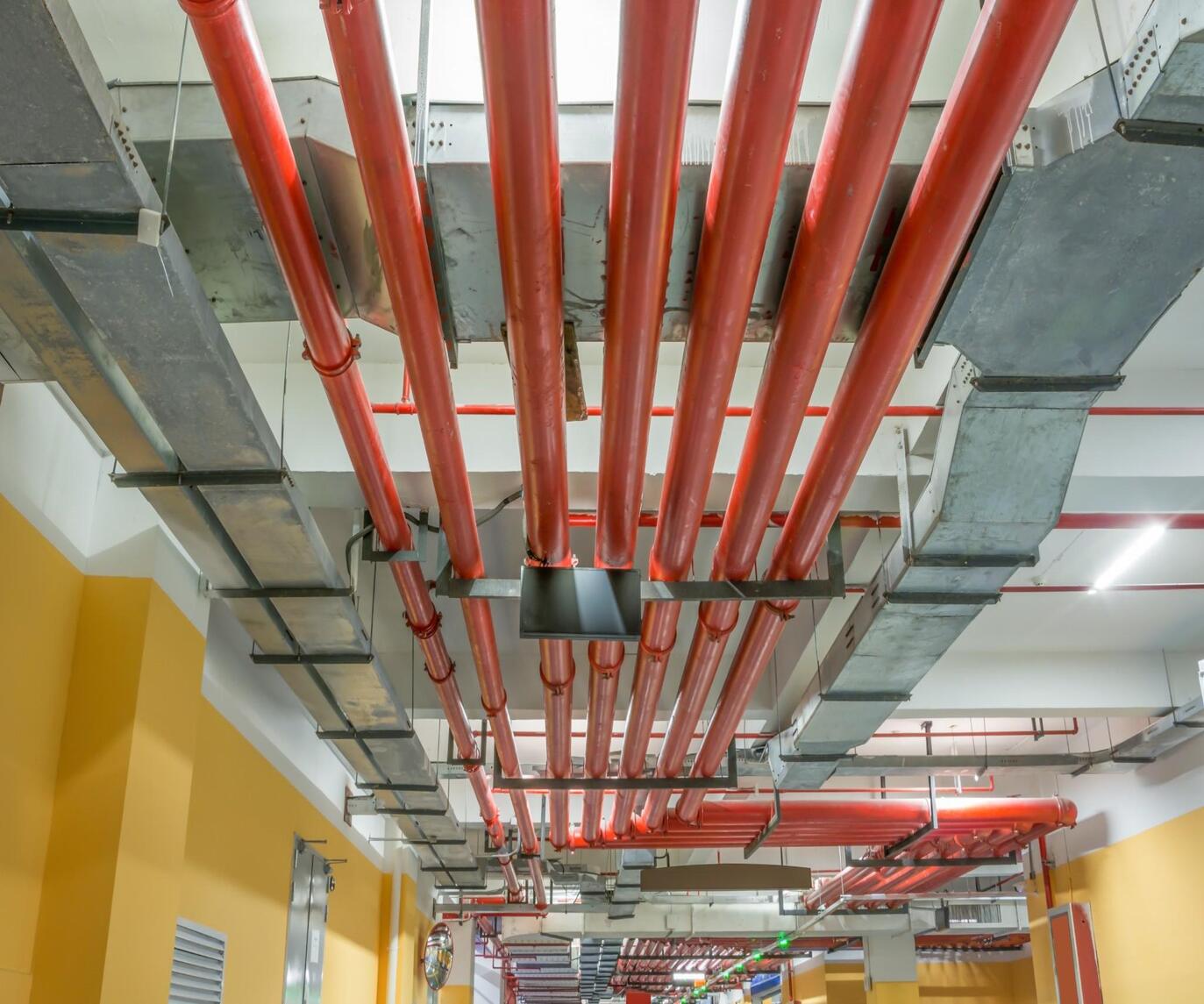
A comprehensive overview of commonly used fire protection piping materials: How to choose between galvanized steel pipes, stainless steel pipes, and ductile iron pipes?
Fire protection piping must reliably deliver water to sprinklers, hydrants, standpipes, and industrial firefighting equipment under required pressure and flow conditions. Three commonly considered materials are galvanized steel pipes, stainless steel pipes, and ductile iron pi...Read more -
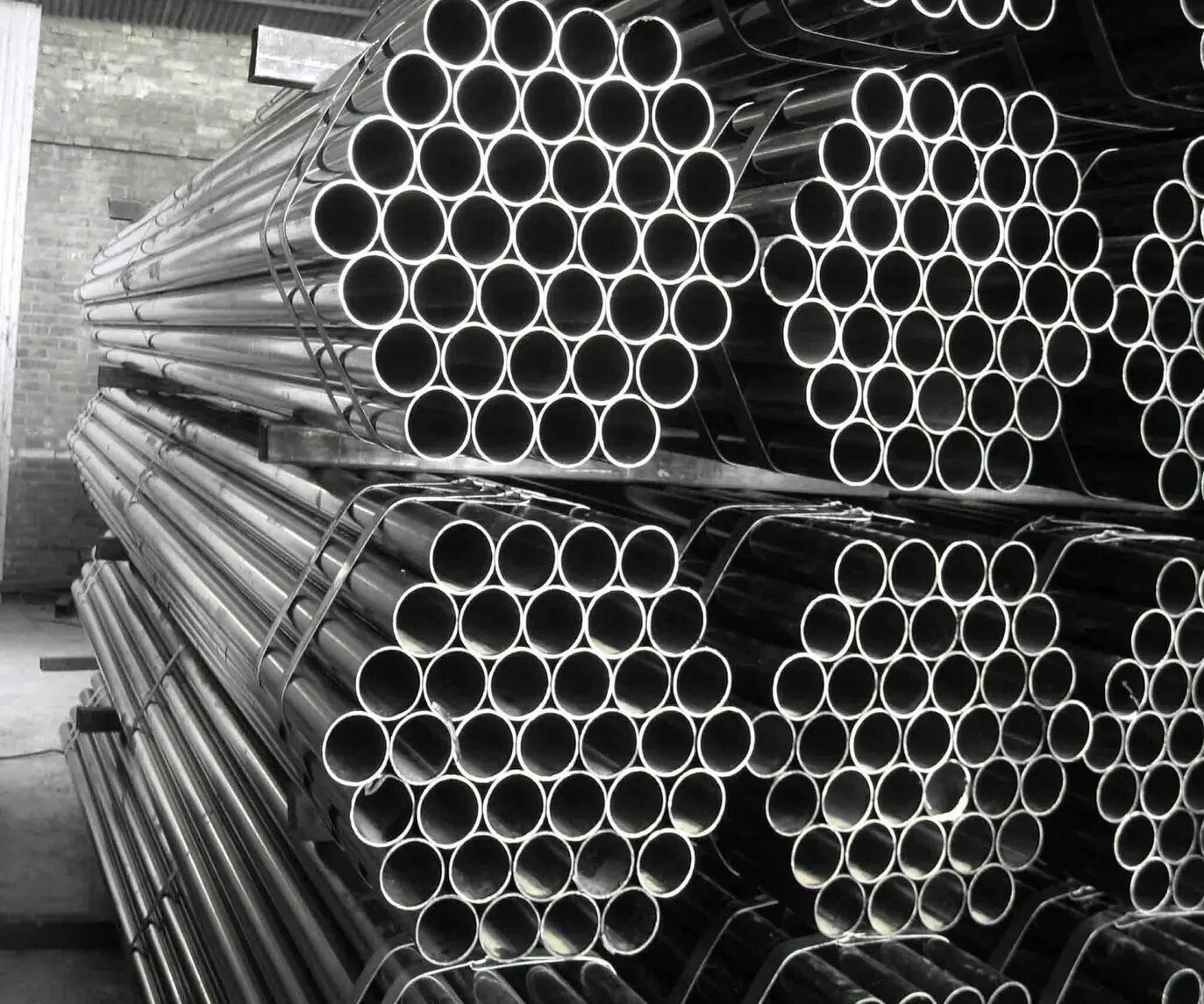
What are the selection criteria for boiler tubes used in power plant water-cooled walls, superheaters, and reheaters?
Boiler tubes are critical components in thermal power plants, transferring heat and generating steam under high-temperature and high-pressure conditions. Their material quality directly affects power generation efficiency, equipment reliability, maintenance costs, and operatio...Read more -
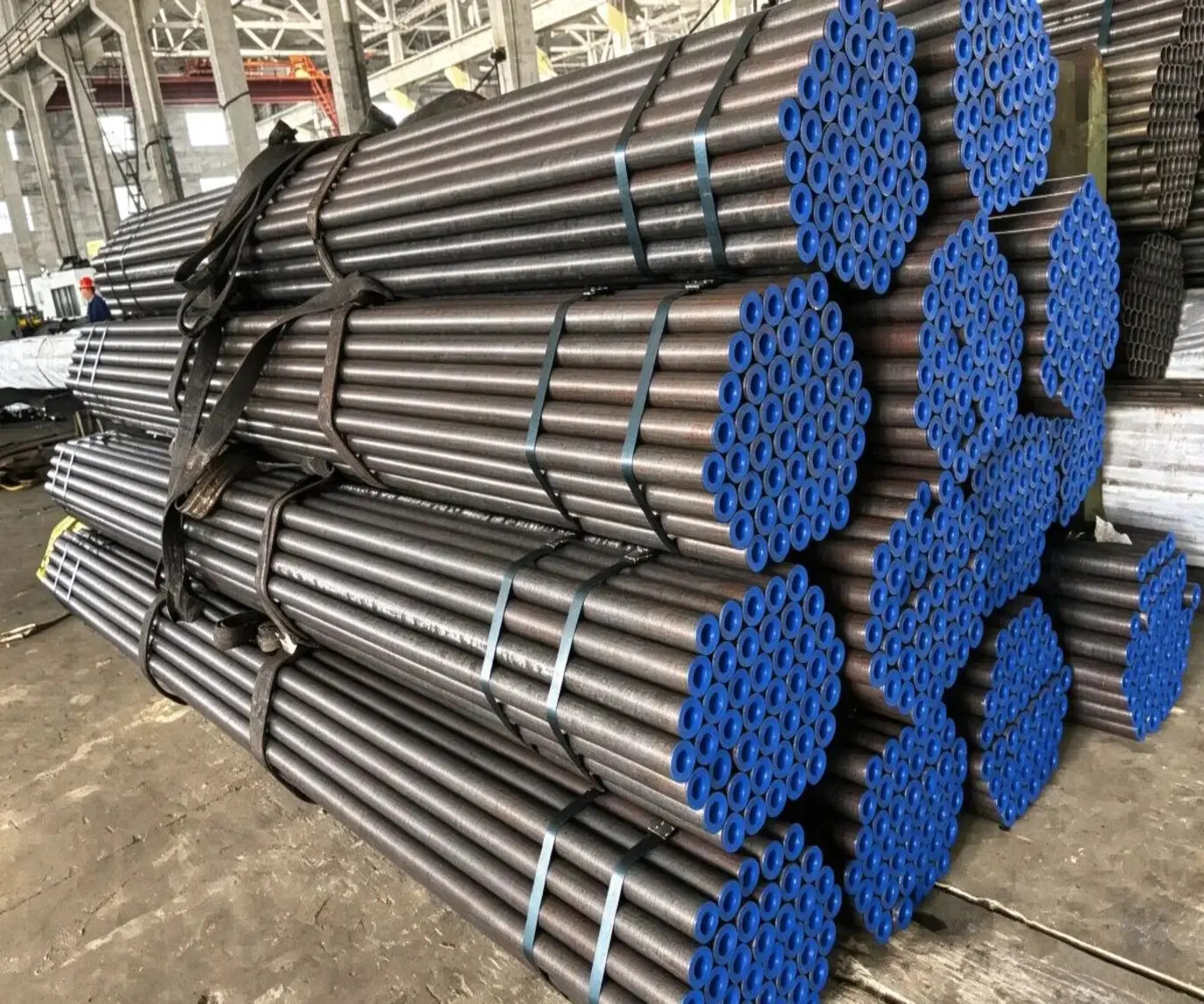
How to choose boiler tube material? The applicable boundaries of carbon steel, alloy steel, and stainless steel.
Boiler tubes are critical components in industrial boilers, power plants, and heat-exchange systems, transferring heat from combustion gases to water and steam under high temperatures, internal pressure, thermal stress, and corrosive conditions. Proper material selection is es...Read more -
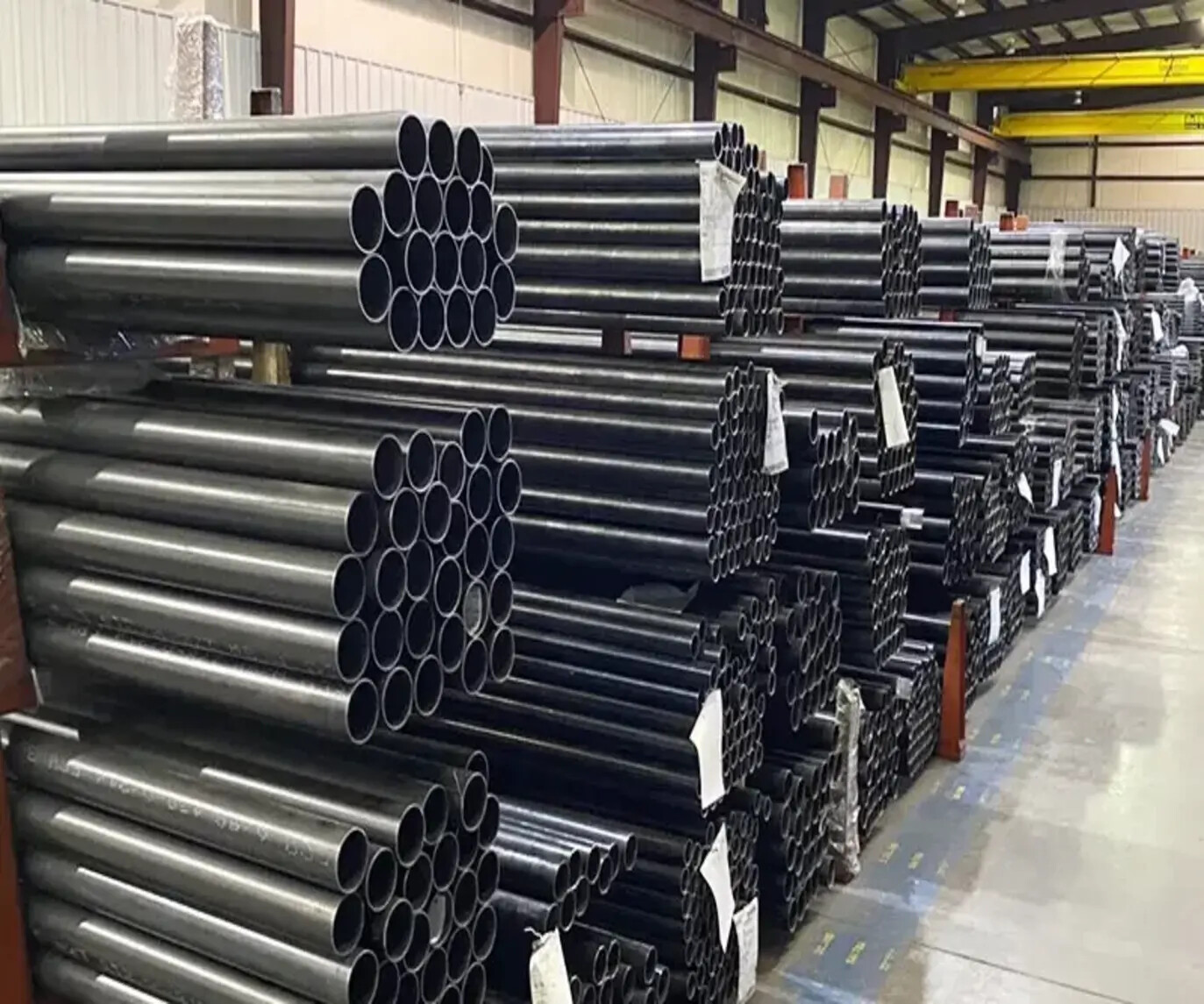
How to choose between T11, T22, and T91? A guide to selecting high-temperature boiler tube grades.
ASTM A213 T11, T22, and T91 are key alloy steel boiler tube grades for high-temperature service in power plants, industrial boilers, superheaters, reheaters, and heat exchangers. T11 (1.25Cr-0.5Mo) offers good oxidation resistance and weldability for moderate high-temperature ...Read more -
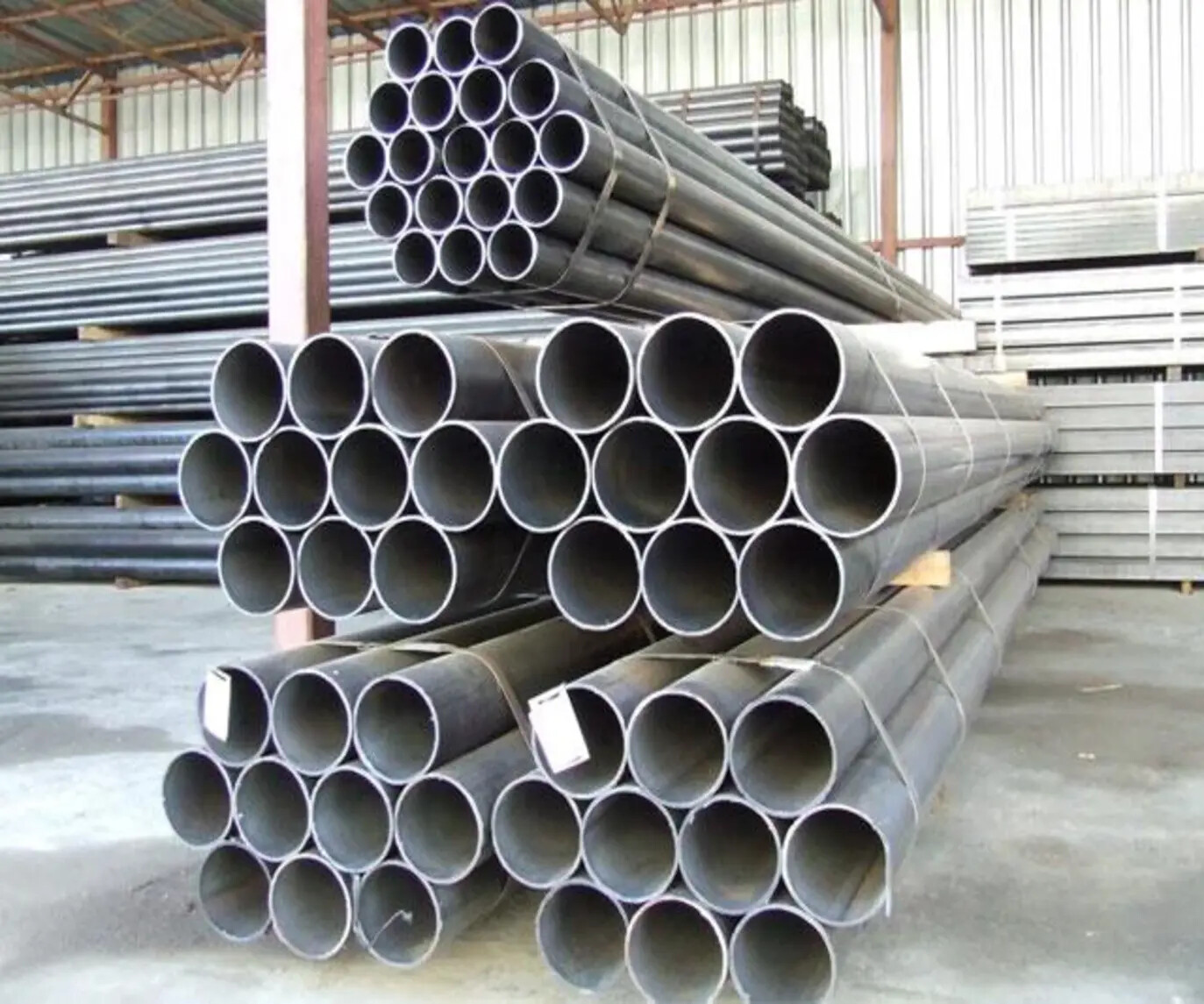
EN 10216-2:2024: What are the high-temperature performance requirements for seamless steel tubes for pressure applications in Europe?
EN 10216-2:2024 specifies technical delivery conditions for seamless non-alloy and alloy steel tubes with specified elevated-temperature properties, replacing EN 10216-2:2013+A1:2019. It covers two test categories and supports compliance with the EU Pressure Equipment Directiv...Read more -
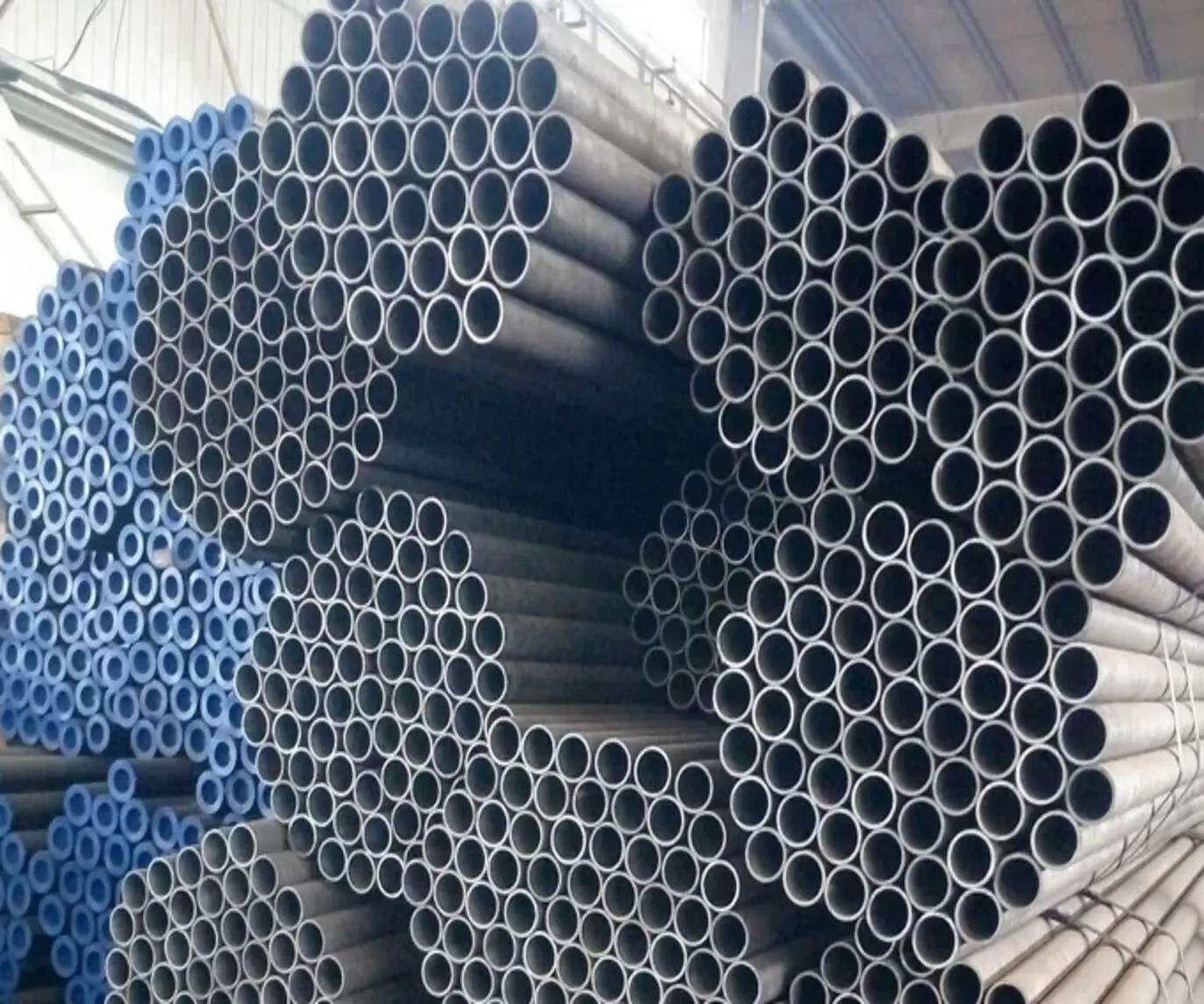
What are the differences between ASTM A192, A210, and A213? How to choose between the three major American standards for boiler tubes?
ASTM A192, A210, and A213 are key standards for seamless boiler tubes, each serving distinct roles in high-pressure and high-temperature systems. ASTM A192 covers carbon steel tubes for high-pressure service, ideal for general boiler applications. ASTM A210 specifies medium-ca...Read more -
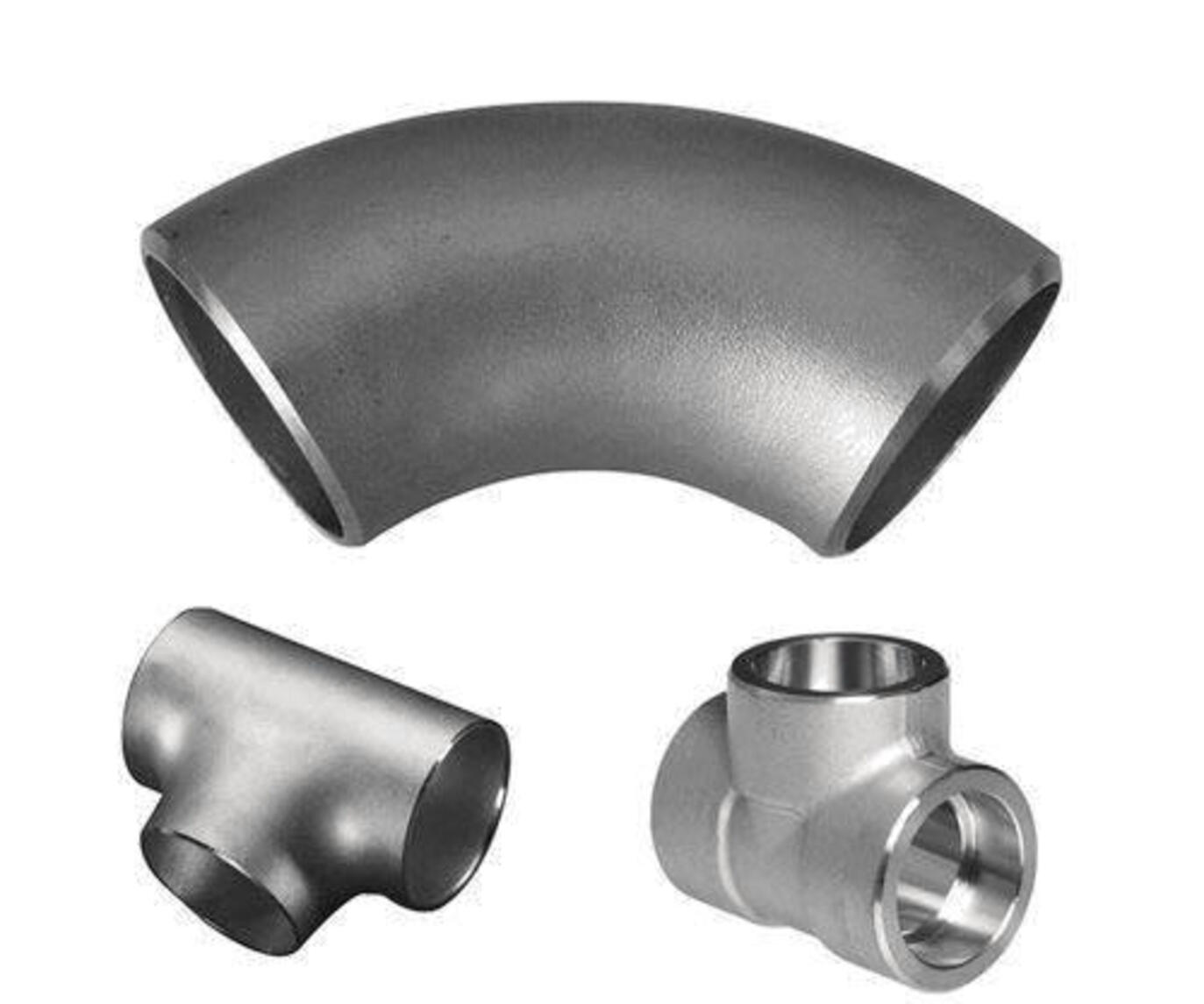
Application of pipe fittings in water supply, drainage and municipal pipelines
Pipe fittings are critical components in municipal water supply, drainage, and sewage systems. They connect pipe sections, change flow direction, create branch lines, adjust diameters, and support maintenance. Common fittings include elbows, tees, reducers, couplings, flanges,...Read more -
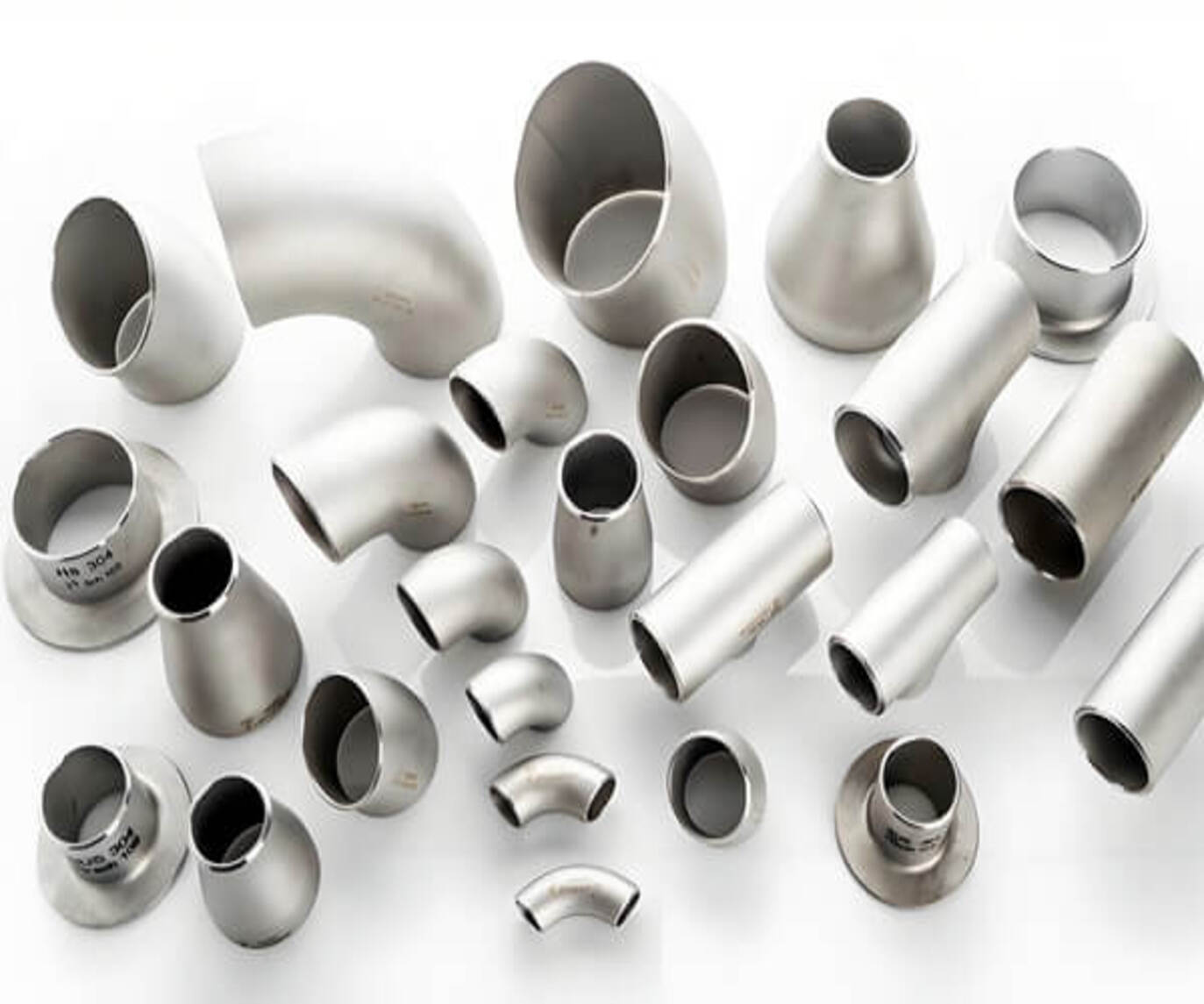
Selection of Pipe Fittings in Petrochemical and Pressure Piping
Pipe fittings are essential in petrochemical plants, oil refineries, chemical processing, and industrial pressure piping. Common types include elbows, tees, reducers, caps, flanges, and couplings. Select fittings based on actual operating conditions rather than price alone, be...Read more -
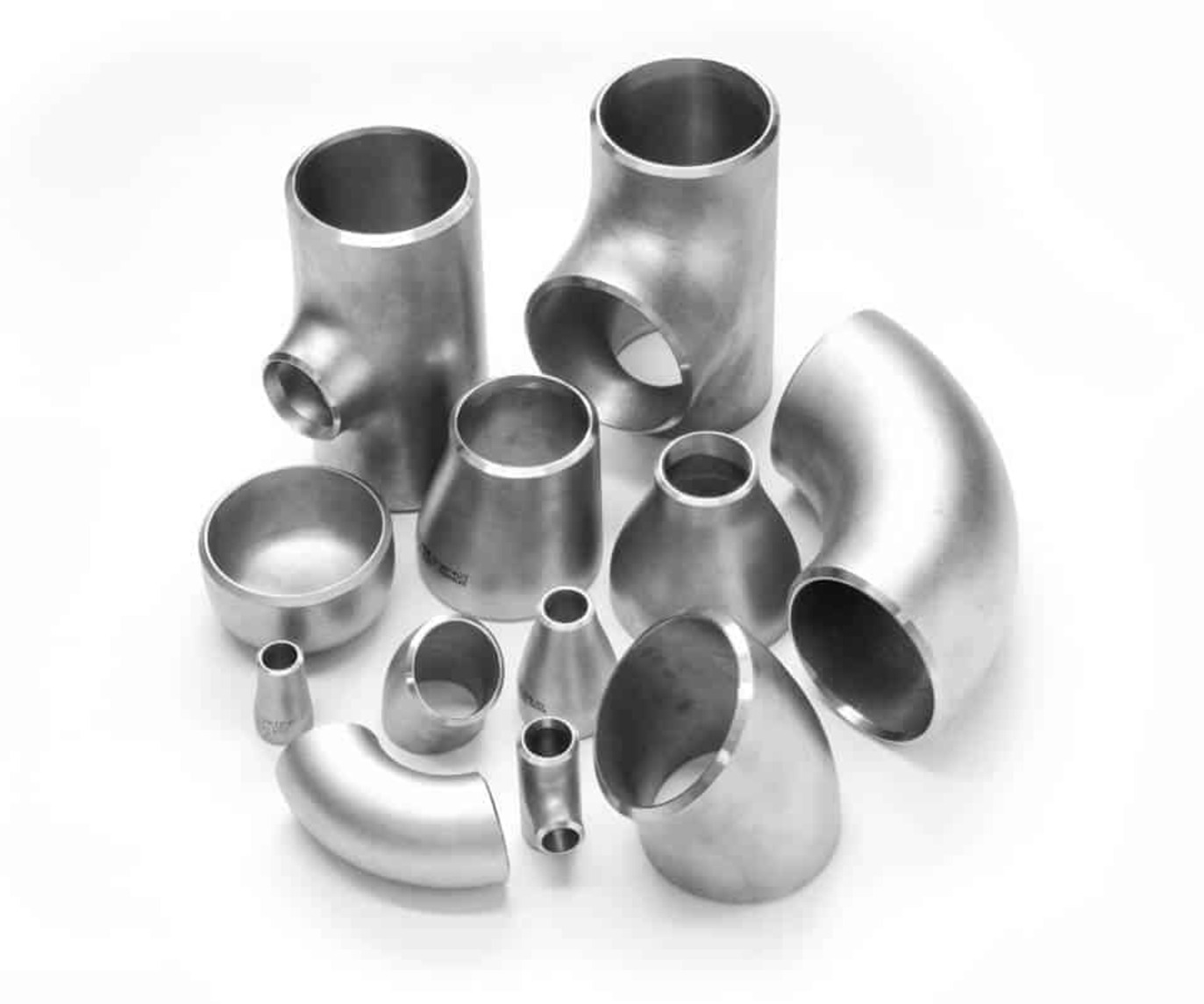
Comparison of four pipe fitting connection methods: How to choose between butt welding, socket welding, threaded connections, and flanges?
Pipe fitting connection methods directly affect the safety, reliability, and efficiency of industrial piping systems. The joint must withstand design pressure, temperature, mechanical loads, and the operating environment while minimizing leakage, corrosion, and maintenance ris...Read more